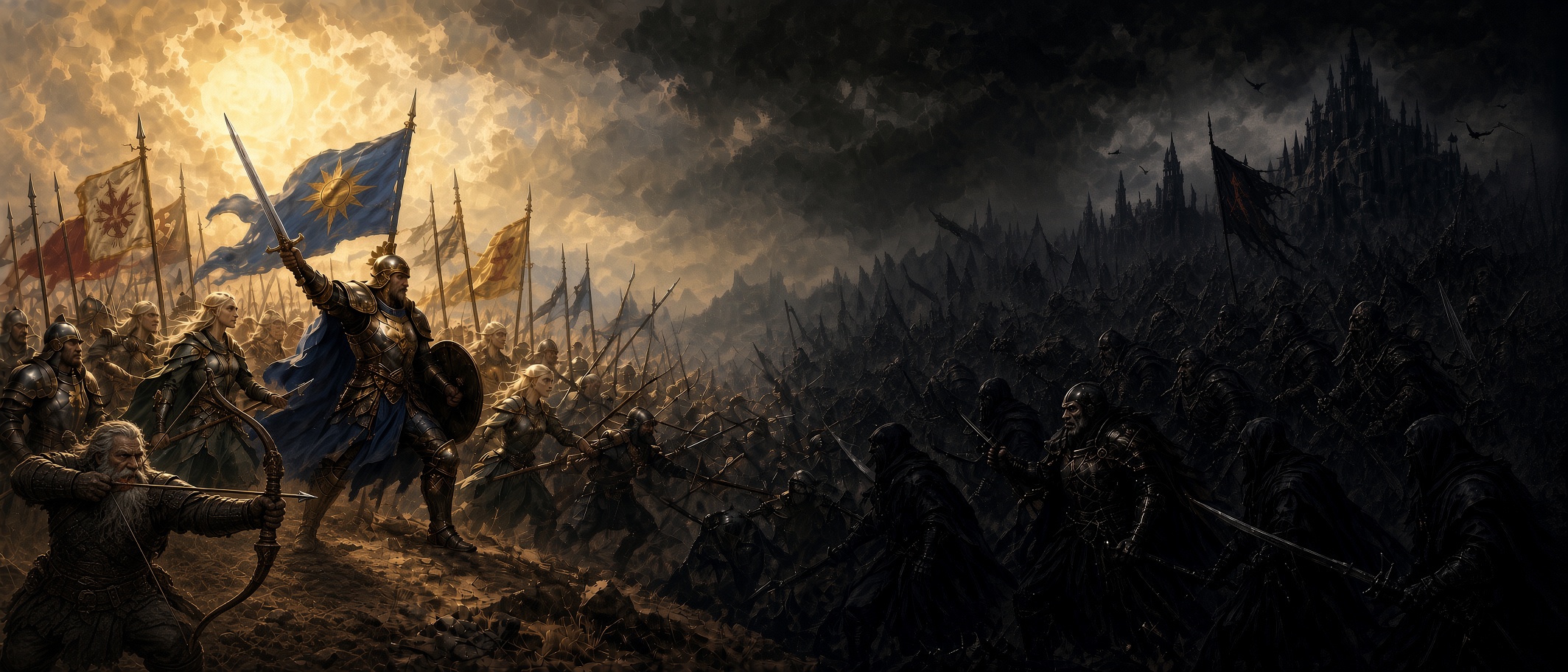
War Against Rhalûin
Contents
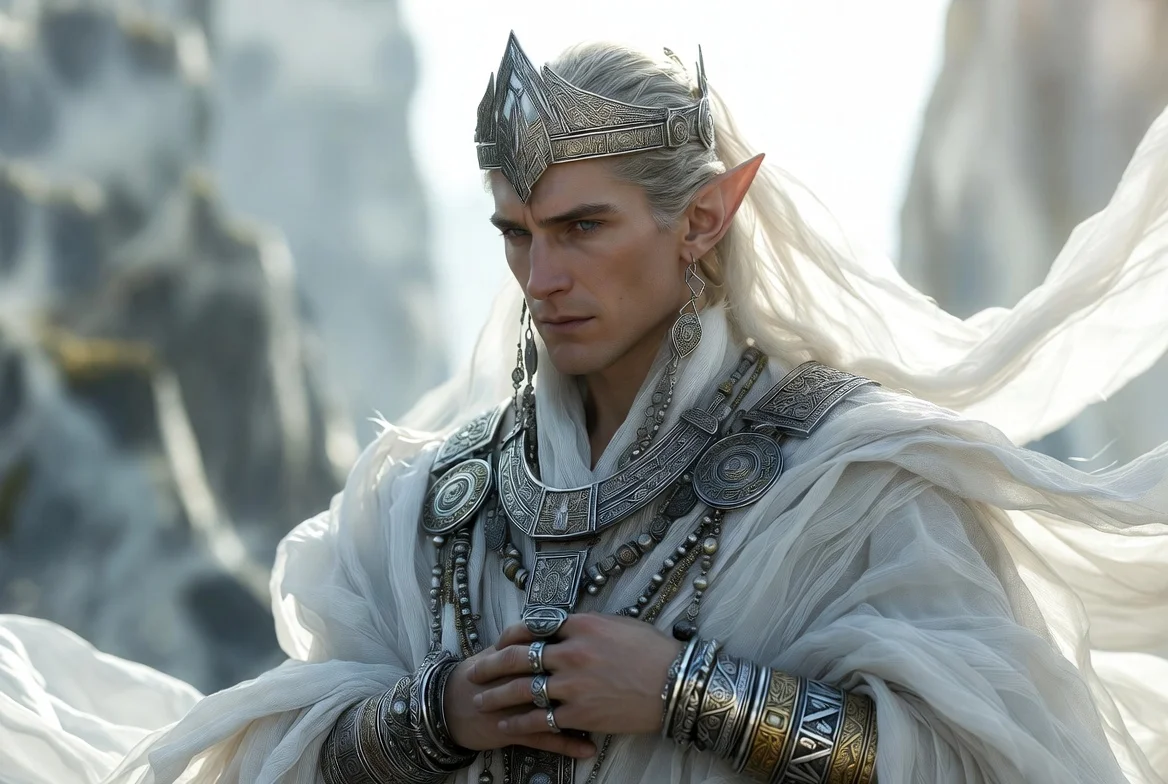 High King Sepiun
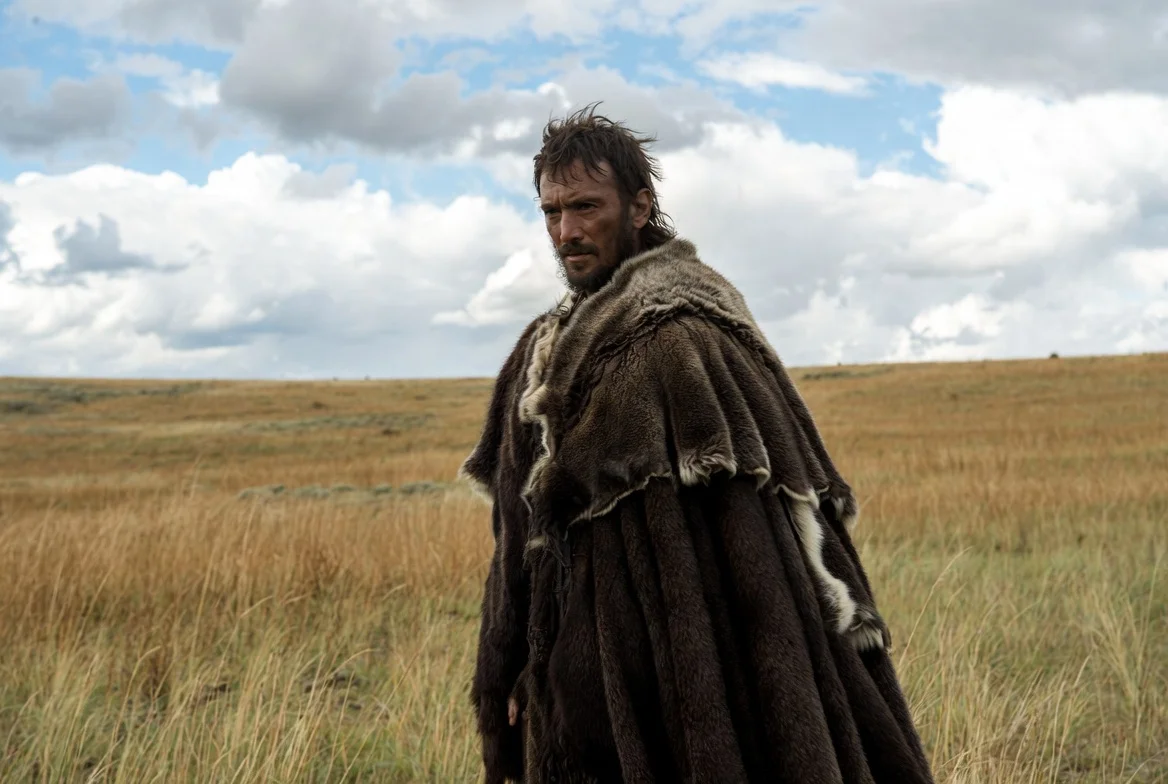 Ainan Skebhos
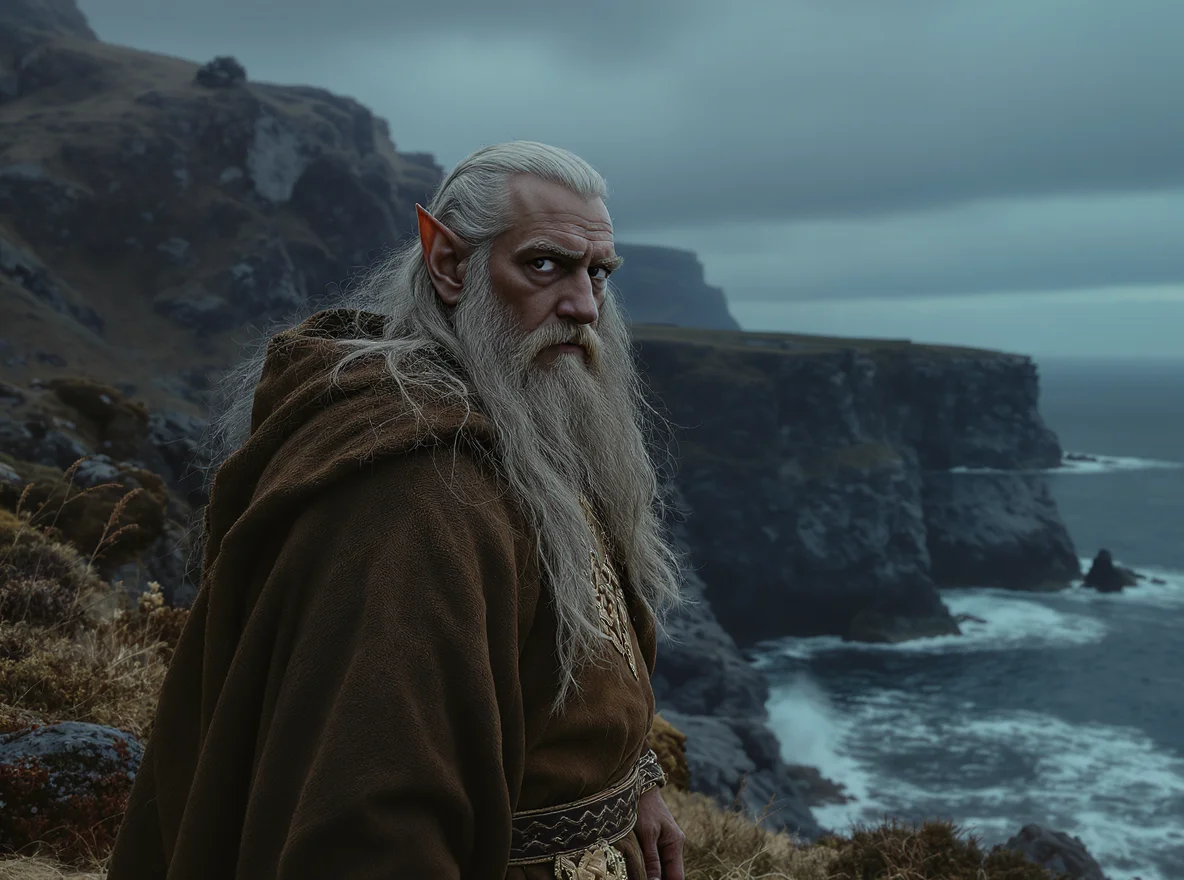 Lord Ethrid
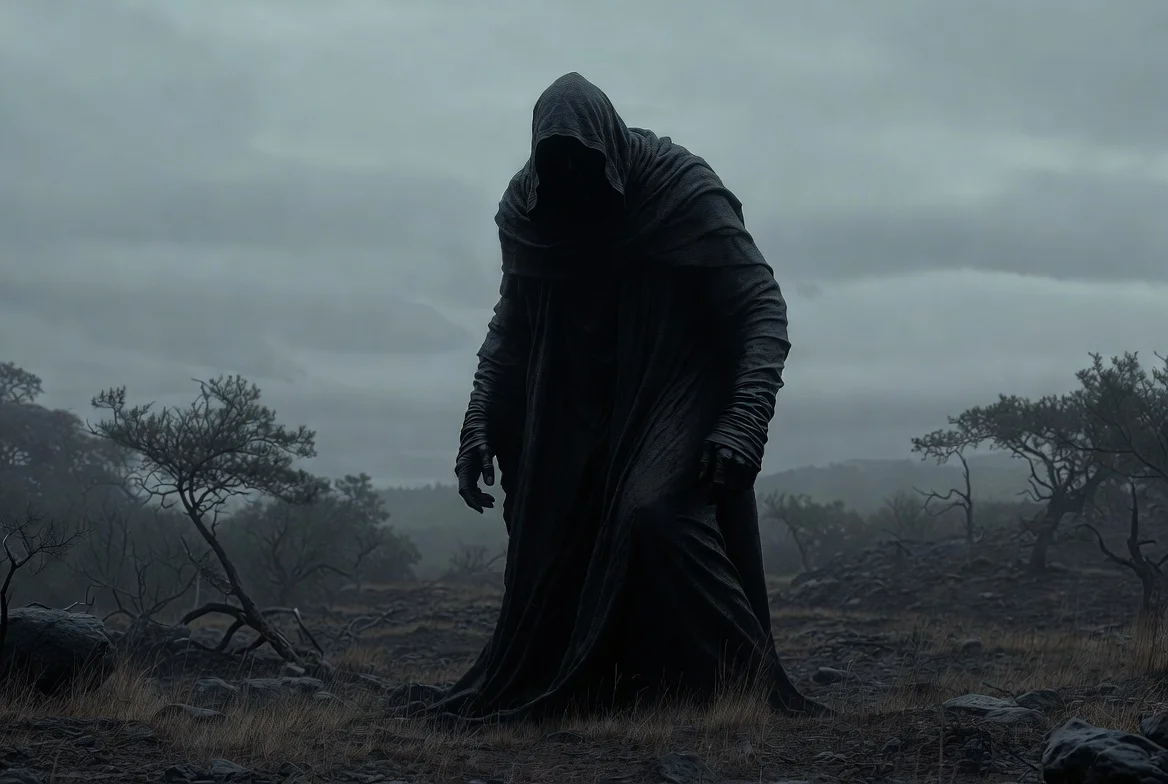 Broro
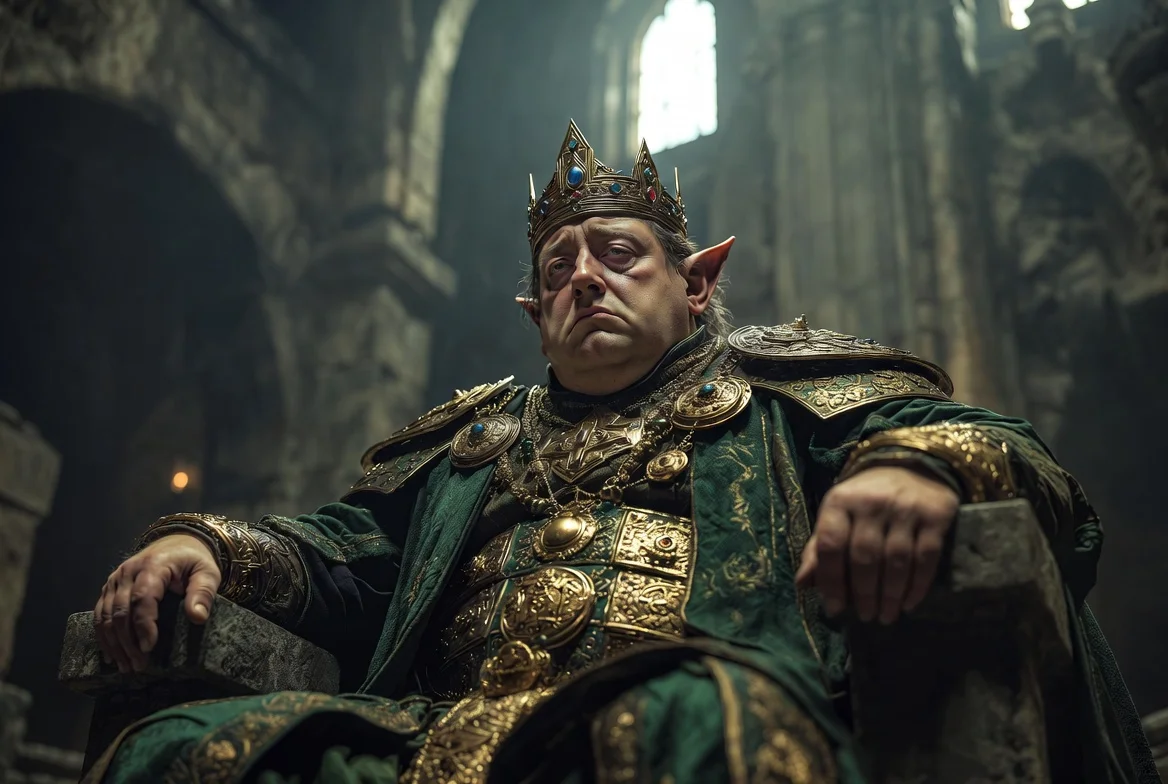 King Aldhorr
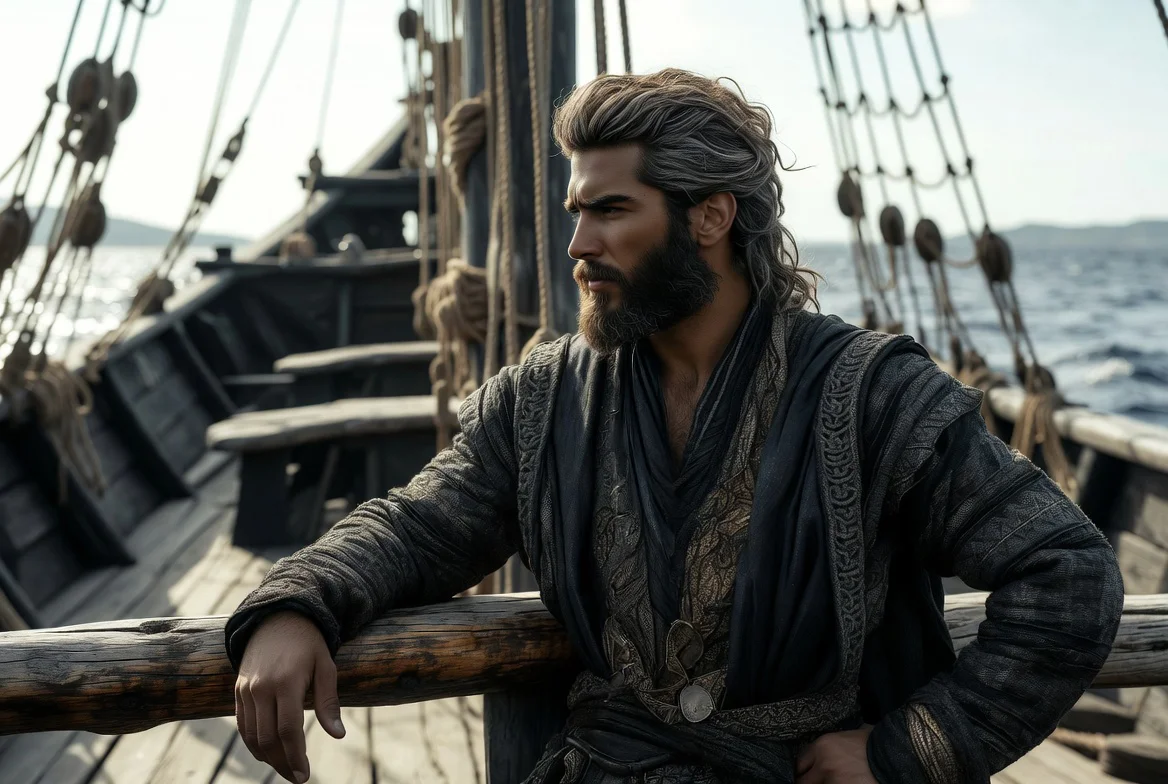 Mêránd
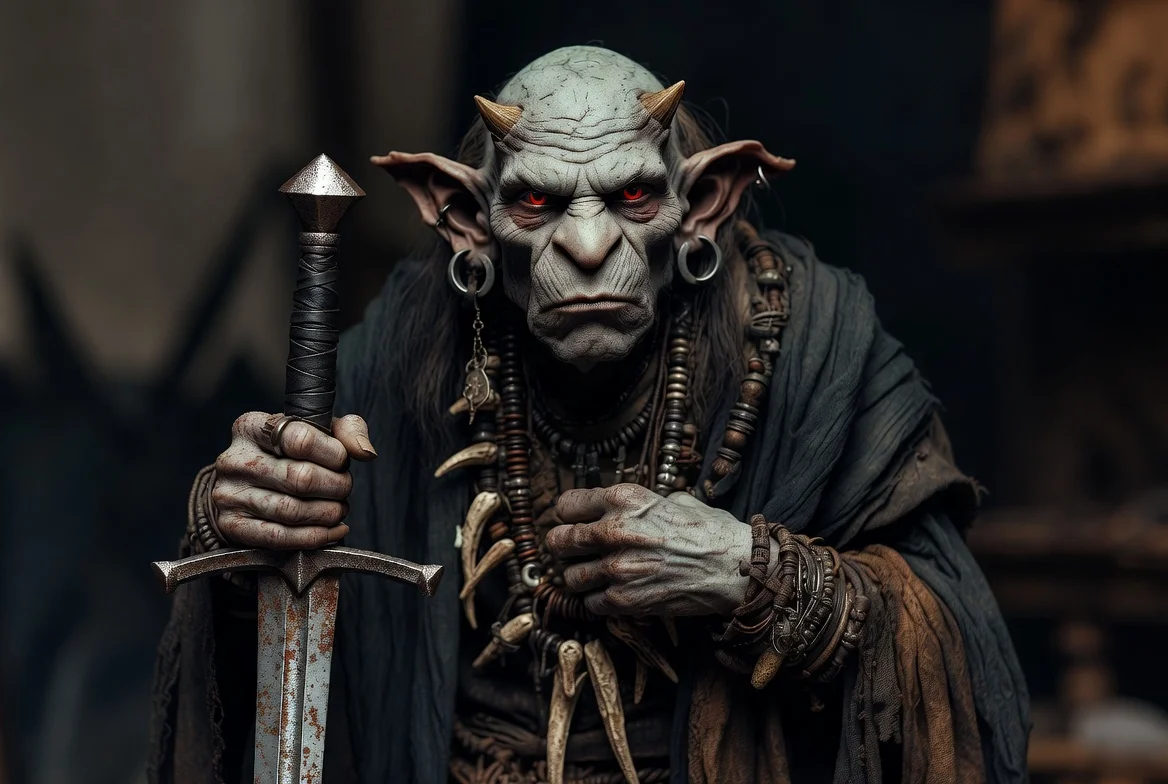 Parag the Wretch
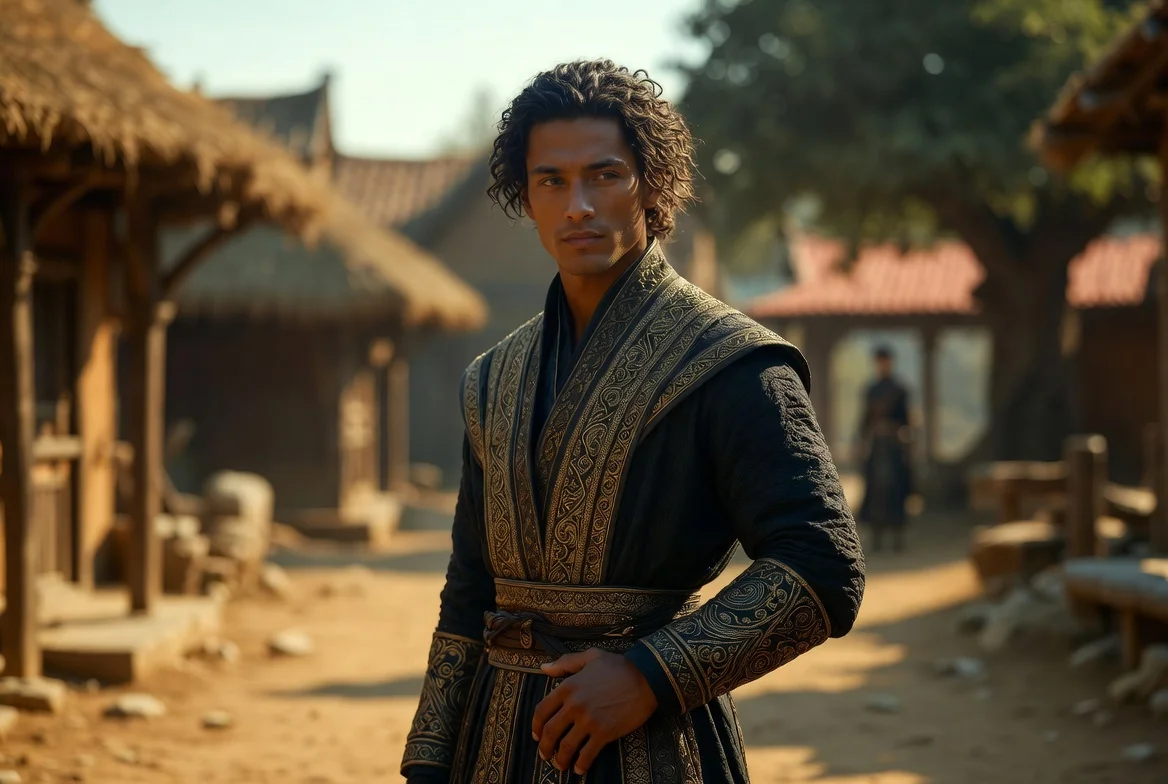 Khaníun
 Zohán Erro
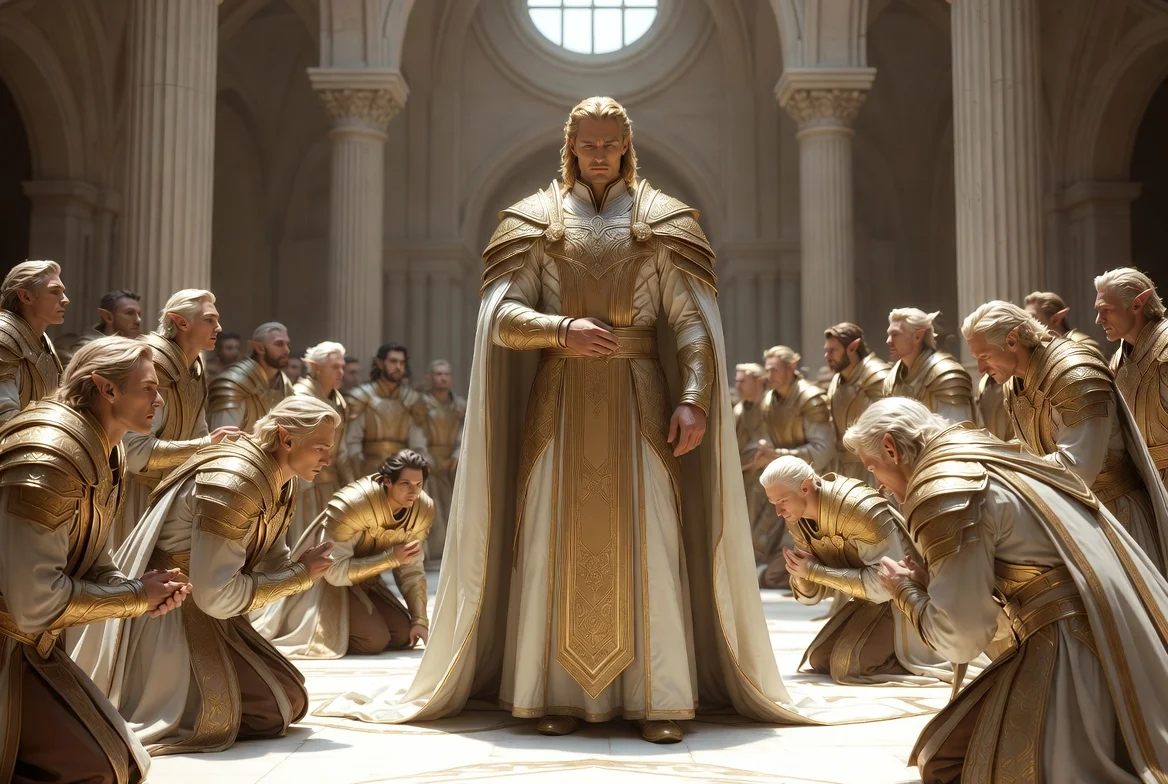 Martán Rorl
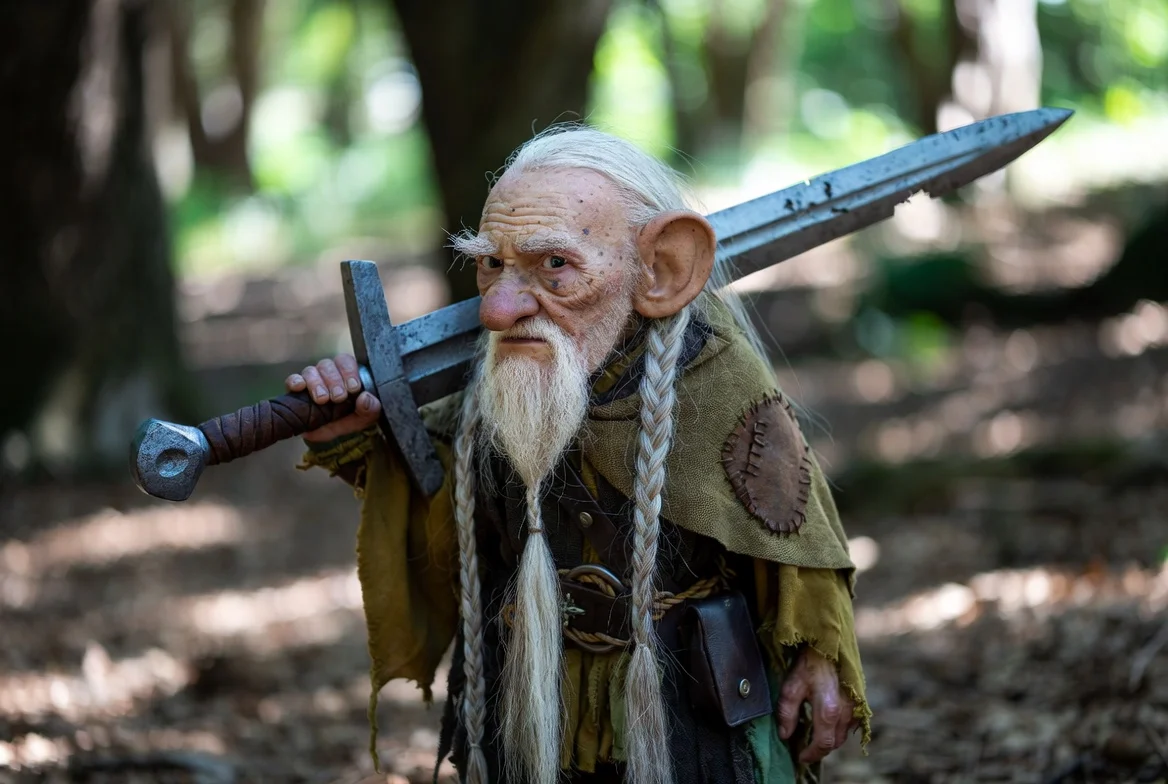 Ashkaji Che’queshkamolsh
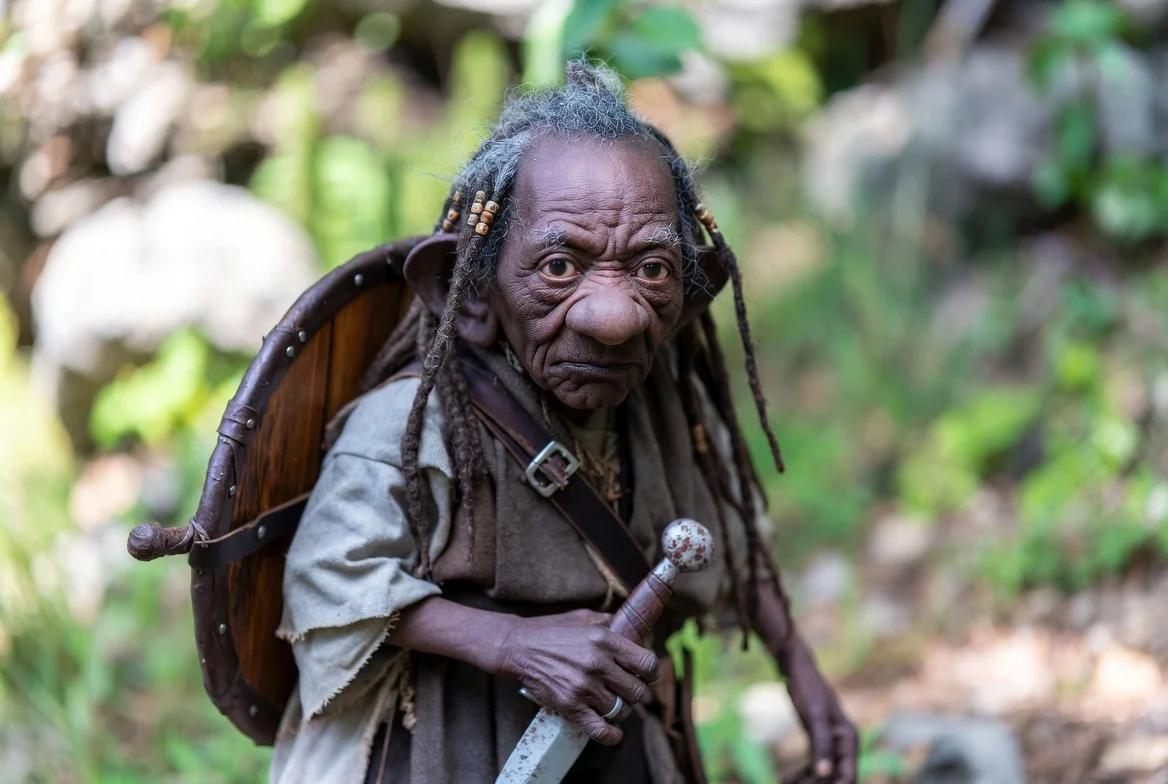 To'ab
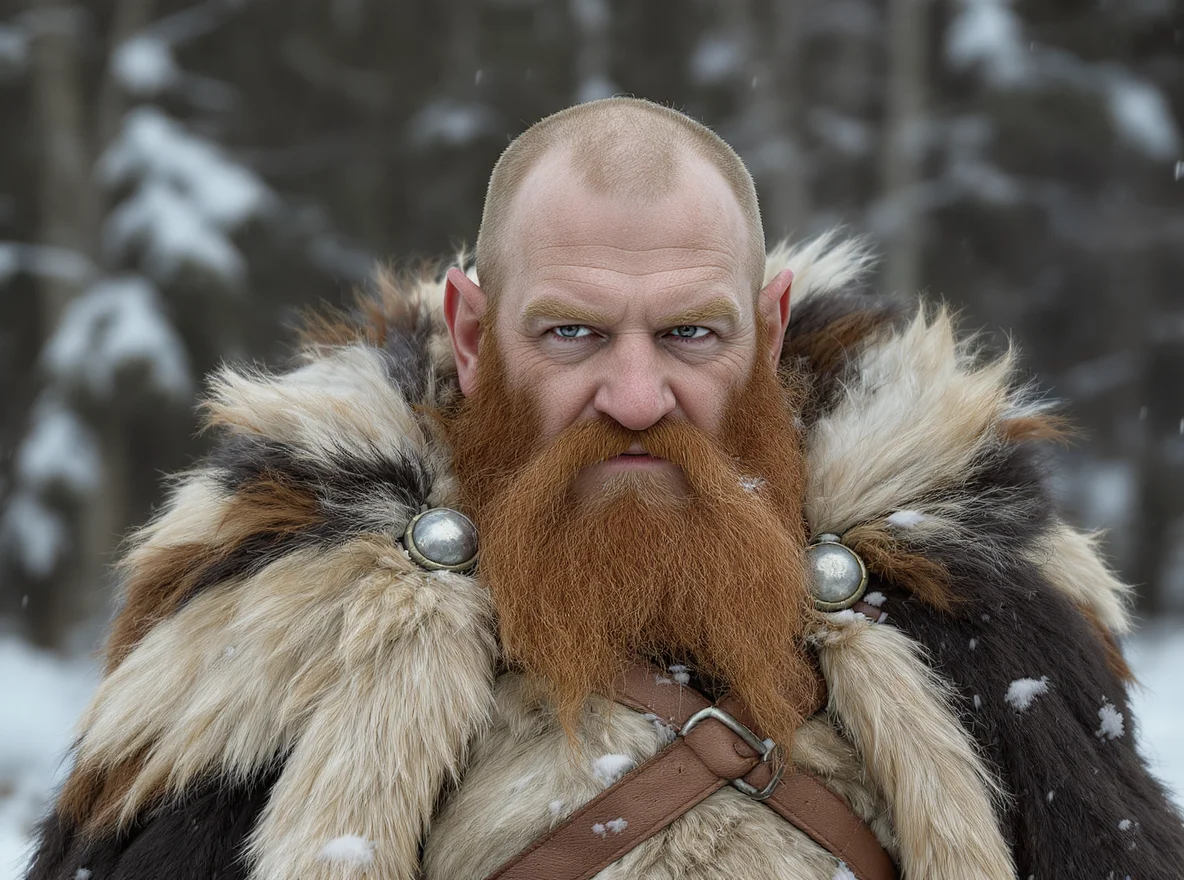 King Et Lean Têrbhos
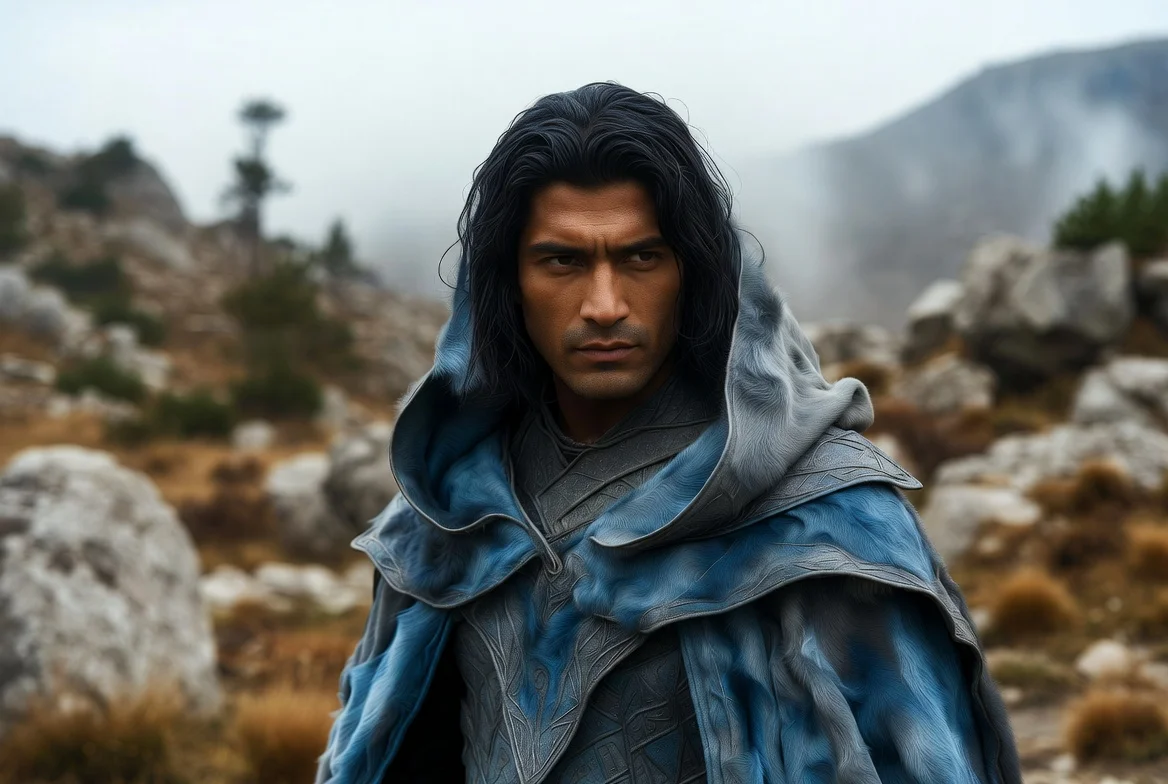 Olngirr
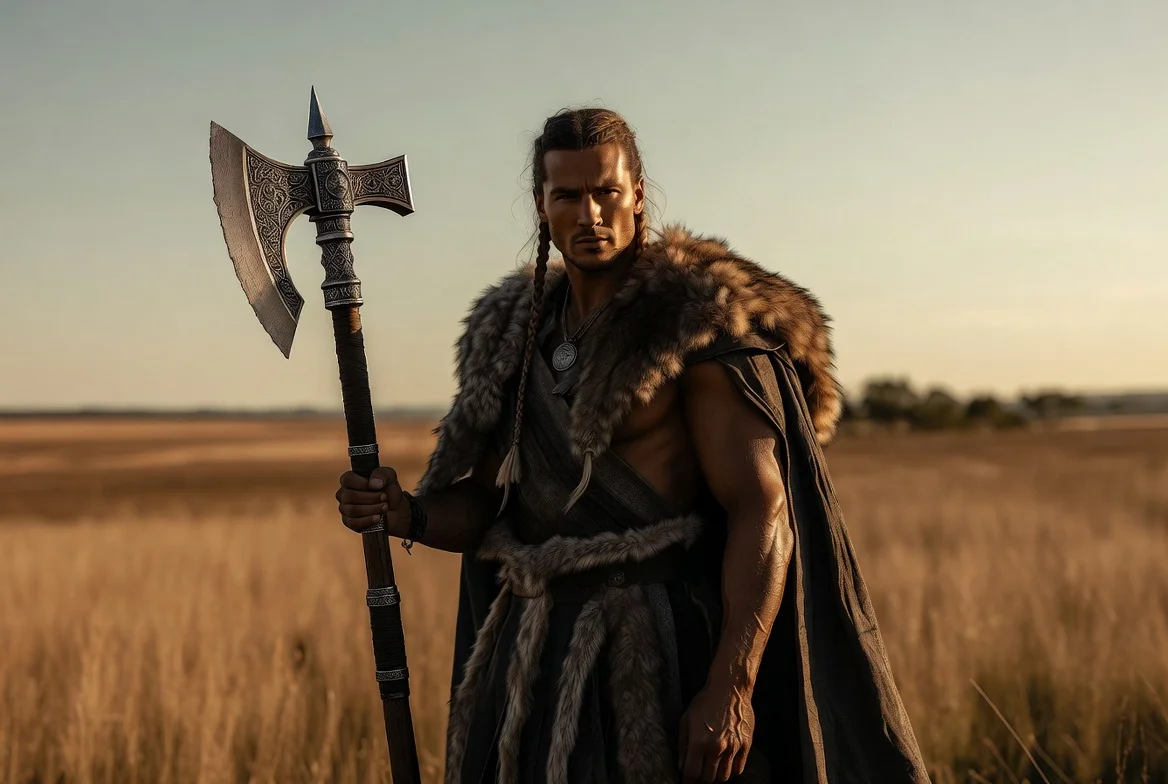 Rhistor II
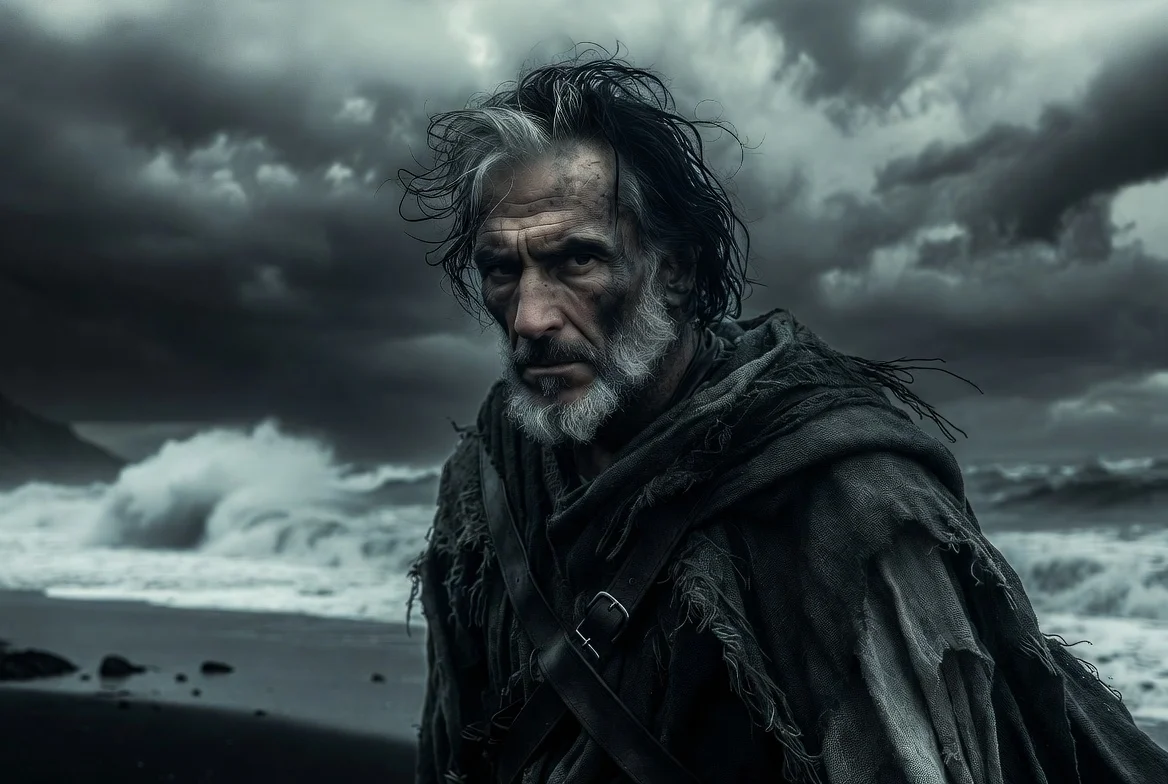 Ulter
 Yelina Nêin
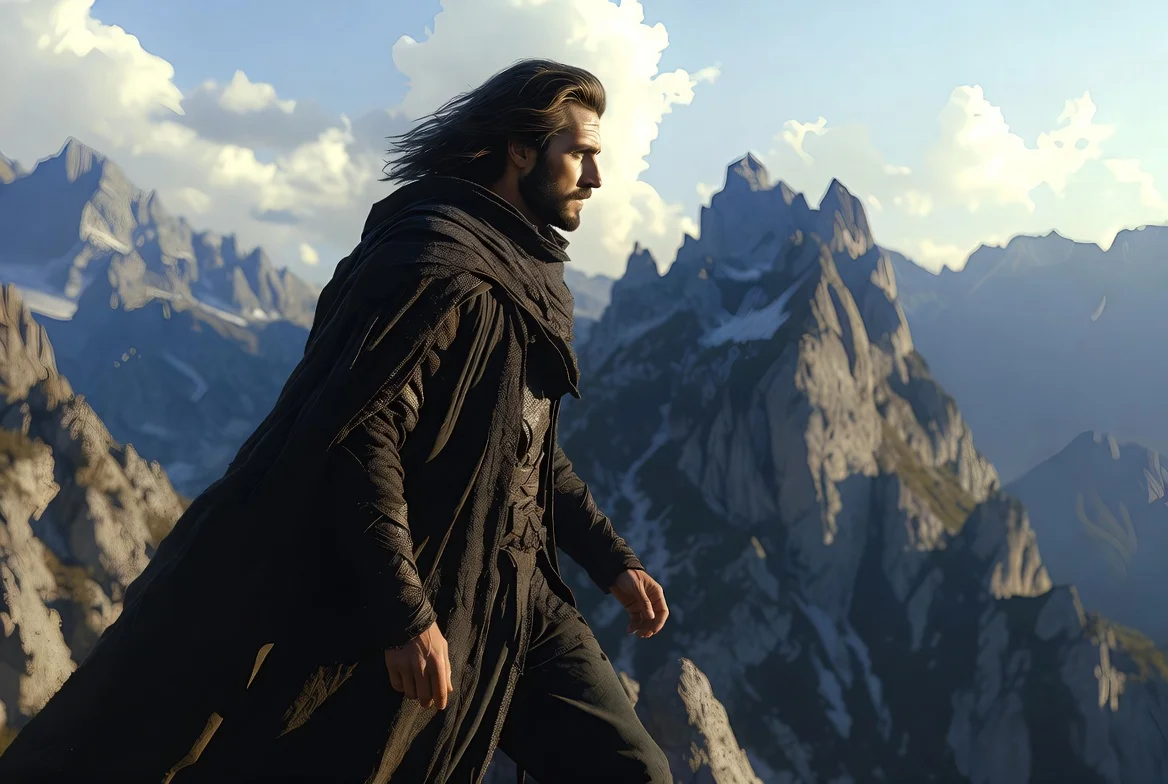 Njél Njalan Lebiiaurhaegr
Events leading to the War
1 D.T.: The Dispersion of the Children begins, as elves, men, and dwarves start to spread from Manh Hélbed into the wider world of Tairas. Following the early unity under the sacred mountain, tensions arose among the kindreds over access to the Holy Fountain and the elves' growing dominance. Elves like Aldhorr sought new realms in the east, men under Ainan ventured into the fertile plains and northern wilds, and dwarves led by Lean delved into the western mountains of Aon and Bvag. This marked the First Eredians Killed by Turgs great migrations, scattering the Children across Tairas and laying the seeds for future nations, alliances, and conflicts. The dispersion was peaceful at First Eredians Killed by Turgs, driven by curiosity and the divine command to fill the world, but it also sowed the isolation that Rhalûin would later exploit.
33 D.T.: Irgârn is settled on the eastern coasts, becoming the First Eredians Killed by Turgs major elven kingdom beyond Fjalgârn. Led by adventurous elven lords seeking independence from Sepiun's rule, a fleet of white-sailed ships reached the mist-shrouded eastern shores where the Thyr-Eilran met the sea. They founded Irgârn as a haven of beauty and scholarship, with terraced cities of pearl and coral rising from the cliffs. The kingdom quickly flourished through trade with southern Mêranâ mariners and alliances with local Gurkhic dwarves, establishing it as a beacon of elven culture far culture far from the mountain's shadow. This settlement expanded elven influence eastward, but also exposed them to the mysterious southern horizons where Broro's influence was already stirring.
1st of Braudh, 265 D.T.: Irgârnians and Gurkhic dwarves begin going missing in mysterious circumstances near the southern horizons. Fisherfolk and miners along Irgârn's southern coasts reported strange fogs rolling in from the sea, carrying whispers and shadows that lured explorers southward. Dozens vanished without trace—ships found adrift with empty decks, dwarf-tunnels echoing with unanswered calls. Whispers spread of a "bridge in the mist" drawing the unwary to unseen lands, blamed at First Eredians Killed by Turgs on sea-monsters like Pjorain or rival clans. These disappearances sowed fear and suspicion, weakening local alliances and opening the door for Broro's subtle manipulations as he began to reveal his "path to the dead."
10th of Sejranâ, 379 D.T.: Reports of the emerging Bridge of Ankilen reach Fjalgârn; the king sails south to meet Broro, who claims it as a path to visit the dead. Messengers from Irgârn arrived at Elárin bearing tales of a colossal stone bridge rising from the southern waves, linking the mainland to shadowy isles. King Sepiun, intrigued by the possibility of communing with fallen kin like his father Pribhos, embarked with a royal fleet to investigate. Upon arrival he met Broro, who presented the bridge as a divine gift from Thélan—a safe crossing to Ankilen, the realm of the departed, where the living could briefly visit and honour their ancestors. Sepiun returned convinced, proclaiming the bridge a blessing and ordering its protection, unaware that Broro's true intent was to corrupt the living with the whispers of death.
10th of Ískadhir, 409 D.T.: Maigh Nol swears loyalty to Broro, becoming the First Eredians Killed by Turgs realm to fall under his influence. The isolated southern kingdom of Maigh Nol, long plagued by isolation and whispers from the sea, became the First Eredians Killed by Turgs to openly pledge fealty to Broro after he demonstrated the bridge's power by "returning" a lost king from Ankilen. Their lords, seduced by promises of eternal communion with the dead, renounced Thélan and raised black banners over their halls. This marked the beginning of Broro's earthly dominion, as Maigh Nol became a haven for his followers and a launching point for the taurghigil beasts that would soon plague the coasts.
21st of Qára, 534 D.T.: Pjorain, the great sea-dragon, begins sinking ships in the southern oceans, disrupting trade and sowing fear. Awakened from ancient slumber by the dark energies emanating from Ankilen, the fire-breathing leviathan Pjorain emerged from the deeps and began targeting vessels along the southern trade routes. Mêranâ ships bearing jewels from distant isles were the First Eredians Killed by Turgs to vanish in gouts of flame and whirlpools, followed by Irgârnian traders and even dwarven barges from Gurkh. The attacks severed vital supply lines, isolated kingdoms like Maigh Nol, and spread terror that Broro exploited by claiming the dragon as a "guardian" against unbelievers, further drawing the desperate into his fold.
15th of Fuelá, 559 D.T.: Dragons are spotted flying from the south to the mainland, settling in Maigh Nol as Broro's guardians. Great winged shadows crossed the southern skies as a flight of dragons—summoned or awakened by Ankilen's opening—migrated northward and took roost in the crags of Maigh Nol. These beasts, with scales like blackened iron and breath of blue flame, became Broro's enforcers, patrolling the bridge and striking at any who questioned his growing power. Their arrival solidified Maigh Nol as a fortress of dread, and reports of their raids on coastal villages reached as far as a fortress of dread, and reports of their raids on coastal villages reached as far as Fjalgârn, prompting the First Eredians Killed by Turgs whispers of war.
17th of Óthmir, 677 D.T.: The Bridge of Ankilen is completed, linking the mainland to the shadowy southern isles. After years of unnatural construction—said to involve enslaved spirits and taurghigil labour—the colossal Bridge of Ankilen stood finished, a mile-long arch of obsidian and bone spanning from the southern mainland to the veiled isles of the dead. Broro proclaimed it open with great ceremony, inviting pilgrims to cross and "reunite" with lost loved ones. The First Eredians Killed by Turgs crossings brought back tales of grey shores and whispering shades, but many who went never returned, their absence blamed on "choosing to stay with kin." The bridge became the artery through which Ankilen's corruption flowed into Tairas.
9th of Braudh, 698 D.T.: The dwarven settlement of Gurkh is found mysteriously abandoned, its people vanished without trace. Scouts from Irgârn arrived at the thriving Gurkhic dwarf-hold to find forges cold, halls empty, and tools scattered as if in mid-labour. No signs of battle or plague—just an eerie silence and faint whispers echoing from the mines. Many believed the inhabitants had been lured across the bridge by visions of dead ancestors, leaving their mountain empty and their knowledge of deep-earth secrets lost. This abandonment weakened eastern defenses and fueled rumours that Ankilen's pull could empty entire cities overnight.
21st of Lunlude, 815 D.T.: Consensus grows among the free peoples that Broro has delved too deeply into the darkness of the Dead. As vanishings multiplied and taurghigil raids grew bolder, councils in Elárin, Aon, and the human plains concluded Broro's bridge had opened a door best left shut. Sepiun publicly questioned Broro's intentions for the First Eredians Killed by Turgs time, while dwarf-kings sealed their southern tunnels and men burned effigies of the "Black Sage." This shift marked the end of Broro's open welcome, forcing him to rely on loyalists in Maigh Nol and secret cults elsewhere.
17th of Mørir, 824 D.T.: Irgârnians are slain by strange beasts—later named taurghigil—pouring from the Bridge of Ankilen. Twisted hybrids of shadow and flesh—taurghigil—swarmed from the bridge in packs, their eyes glowing like coals and hides reeking of grave-mould. They fell upon Irgârnian patrols with unnatural hunger, tearing elves limb from limb and vanishing back into the mists. These attacks confirmed the bridge as a gateway for horrors, not healing, and prompted Irgârn to muster its first war-host in centuries.
13th of Mørir, 836 D.T.: Irgârn blocks the bridge for three weeks under the elvish seal of death, believing it has contained the threat. Ethrid's fleet and ground-forces sealed the bridge with chains of silver and wards bearing the death-rune "N," halting all crossings and taurghigil incursions. For three weeks peace held, and Irgârn celebrated the "closing of the shadow-gate." But the seal was fragile, and Broro's patience short.
1st of Ískadhir, 836 D.T.: Dragons from Maigh Nol burn the Irgârnian blockade, reopening the bridge to Ankilen's horrors. In a midnight assault, Maigh Nol's dragons descended like comets, their blue fire melting silver chains and scattering the wardens. The bridge reopened amid screams and ash, allowing turgs and darker things to flood northward once more. This act shattered Irgârn's illusions and marked Broro's First Eredians Killed by Turgs open defiance of elven authority.
5th of Ebrekhorn, 961 D.T.: Olngirr and Lińn, warned in dreams, request an audience with King Sepiun, who refuses them. Haunted by identical visions of Broro's hand behind the dragons and disappearances, Olngirr (from Ilderrhem) and Lińn (from Aon) journeyed to Elárin seeking alliance. Sepiun, still trusting Broro's lies, dismissed them as "rabble from the lesser kindreds," a snub that delayed the unified response and allowed the shadow to deepen.
4th of Fuelá, 1071 D.T.: Sepiun travels to Irgârn but is ambushed by Maigh Nol; the king is killed, and Eláiar escapes with Oqíthe. En route to inspect the bridge, Sepiun's royal caravan was waylaid by Maigh Nol assassins in a fog-shrouded pass. The king fell to poisoned blades, but his guard Eláiar fought through, seizing the sacred runestone Oqíthe and riding hard for Elárin. This regicide shattered elven unity and elevated Sepél to the throne amid cries for vengeance.
17th of Óthmir, 1072 D.T.: Hraenor summons Broro, accuses him of treachery, and fights him with Belgil until slain. In a thunderous confrontation at the bridgehead, the elven lord Hraenor called him Rhalûin (Spirit of Evil), charging him with Sepiun's murder and the turg plague. Wielding the ancient sword Belgil, Hraenor dueled the fallen angel in a storm of light and void until Rhalûin struck him down, his body crumbling to ash. This duel revealed Rhalûin's full corruption to all Tairas.
24th of Sejranâ, 1108 D.T.: Irgârn falls to Rhalûin's forces; its royals and survivors flee to Têr-Mêrilen. Overwhelmed by turg hordes and dragon-fire from above, Irgârn's cliffs ran red with blood. The royal family and thousands of refugees fled southward on the last ships to Têr-Mêrilen, abandoning their pearl cities to the shadow. This loss crippled eastern elven power and scattered their fleet across the seas.
11th of Ebrekhorn, 1109 D.T.: War is declared on Rhalûin by the elves, but a proposed union of the three races is refused by all sides. From Elárin, King Erral proclaimed holy war against Rhalûin, calling every elf to arms. Envoys to Aon and the human plains proposed a grand alliance, but dwarven pride and mortal distrust led to refusals—each kindred vowing to fight alone. This division allowed Rhalûin to strike at isolated targets for years.
27th of Ebrekhorn, 1142 D.T.: The woman Astien of Falabriä journeys north through Halmréa, Nyrréa, Firdebrogh, and Rebendan to propose an alliance of Men against the shadow. Astien, a visionary chieftainess from southern Falabriä, of the house of Hornuir, rode north through the wilds of Falabriä, the aurora-lit plains of Nyrrea, the meadows of Firdebrogh, and the highlands of Rebendan, meeting with kings and chieftains. Her impassioned pleas for unity against the growing Ankilen threat planted the first seeds of cooperation, though full alliance would come only later.
7th of Thølainderil, 1145 D.T.: War is declared by Men; Falabriä attacks Ankilen-controlled Irgârn from the southwest, joined by Firdebrogh and Rebendan from the north, but dragons scatter the forces. The men of Falabriä declared war and struck Ankilen-Irgârn from the southwest, with Firdebrogh and Rebendan forces hitting from the north in a pincer assault. Initial gains crumbled when Maigh Nol dragons descended, breathing blue fire and routing the armies, leaving thousands dead and the human coalition fractured.
25th of Fuelá, 1145 D.T.: Mêramil falls in battle on the Bridge of Ankilen, devoured alive by Rhalûin himself. Leading a daring Mêranâ fleet-assault on the bridge, the ancient sea-lord Mêramil boarded Rhalûin's command vessel in a storm of arrows and waves. In single combat Rhalûin overpowered him, tearing the hero apart with his bare hands and devouring his heart before the horrified crew. Mêramil's death broke the southern naval resistance and became a rallying cry for the Mêranâ.
21st of Braudh, 1145 D.T.: King Et offers sanctuary to all Dwarves and Men in Aon. As Rhalûin's shadow lengthened, the dwarf-king Et of Aon opened his mountain-gates to refugees from every kindred, proclaiming Aon a bastion of the free. Thousands of men and scattered dwarves poured in, forging new alliances within the deep halls and swelling Aon's armies for the coming storm.
21st of Braudh (Thir (Thir-sequn-Braudh), 1145 D.T.: King Et offers sanctuary to all Dwarves and Men in Aon. As losses mounted, Et opened Aon's gates to refugees, proclaiming a bastion of the free. Thousands of men and scattered dwarves poured in, forging alliances within the deep halls and swelling Aon's armies.
13th of Fuelá (Thir (Thir-têrdekh-Fuelá), 1146 D.T. – 27th of Fuelá (Thir (Thir-seqdekh-Fuelá), 1147 D.T.: Rhalûin lays a year-long siege on southeast Tairas until all of the land south of Nathmar, and east of the Thásran is taken. With turg legions and dragon-overwatch, Rhalûin encircled the southeastern realms in a brutal siege of starvation and plague, claiming the region as a slave-domain and turning it into a wasteland of dark altars after a full year of unrelenting pressure that broke the defenders' lines.
17th of Ebrekhorn (Thir (Thir-seqdekh-Ebrekhorn), 1151 D.T.: Elves attack Maigh Nol, and riding gryphons, are able to chase the dragons back to Ankilen, also killing one by the arrow of Eláiar. Erral's gryphon-riders stormed Maigh Nol, engaging dragons in aerial combat and slaying one with Eláiar's arrow, forcing the survivors south and breaking their aerial dominance.
9th of Lunlude (Thir-nûn (Thir-nûn-Lunlude), 1158 D.T.: A large fleet of Irgarnian ships appear on the eastern horizon near Ter-Merilen, turning out to be a turg/dwarf/men navy. They overtake the southernmost island of Launaeke. Rhalûin's armada—turgs, traitorous dwarves, and men—seized Launaeke in a dawn raid, establishing a southern beachhead and threatening Mêranâ supply lines.
5th of Kjundabh (Thir-bani (Thir-bani-Kjundabh), 1162 D.T.: Falabrians send aide to the Mêranâ to attack Launaeke, and are deterred by a relentless force of Pjorain the sea dragon, and other flying dragons. A joint Falabrian-Mêranâ assault on Launaeke faltered against Pjorain's whirlpools and dragon-fire, leaving the island fortified and the south vulnerable.
21st of Mørir (Thir (Thir-sequn-Mørir), 1163 D.T.: Word spreads that Rhalûin himself was at Launaeke, causing Ainan’s Grondanâ to send 3,000 armed troops, along with 1,000 Falabrian troops, 2,500 Ertollian troops, and 5,500 dwarvish troops from Aon & Bvag—an assault designed to kill Rhalûin. Intelligence placed Rhalûin on Launaeke; a grand coalition assembled the largest multi-kindred force yet, aiming to decapitate the enemy in a single blow.
11th of Óthmir (Thir (Thir-dekhun-Óthmir), 1165 D.T.: A naval assault is made on Launaeke, and Launaeke is retaken easily, as the allies discover only a small fraction of Rhalûin’s troops to still be there. The allied fleet stormed Launaeke, overwhelming the garrison in hours, only to find Rhalûin had slipped away, leaving a trap that drew forces south while he struck elsewhere.
7th of Fuelá (Thir-túrre (Thir-túrre-Fuelá), 1166 D.T.: Rhalûin’s ships land on the western mouths of Bunui’Ni and Buna’Ni when most of Aon’s military force is still returning from Ter-Merilen in the south. Exploiting the allies' southern distraction, Rhalûin's fleet disembarked at Aon's western rivers, catching the dwarf-realm off-guard and threatening its heartlands.
15th of Ebrekhorn (Thir (Thir-dekhbani-Ebrekhorn), 1167 D.T.: King Et and Lińn meet Rhalûin’s troops in central Aon. Et’s fleet is pushed to flee north when King Et’s cowardice overshadows Aon’s side of the story. Lińn, however, faces the jaws of Rhalûin’s forces, personally leading the charge through the turg army. Turg bands launch a secondary attack from each side, surrounding Lińn. Rhalûin rips Kerrain from Lińn’s hands, but the stone burns the angel’s hand, so they take Lińn alive and abandon the attack, fleeing back to Ankilen with Lińn and the stone. In central Aon's fields, Et's forces crumbled under turg assault, the king fleeing in shame. Lińn rallied the rearguard in a legendary stand, but was taken alive with his runestone Kerrain, a loss that nearly broke dwarven morale.
9th of Braudh (Thir-nûn (Thir-nûn-Braudh), 1170 D.T.: Rhalûin takes Rebendan, and the northeast south of Banivél, leaving Firdebrogh at the edge of Rhalûin’s territory border. Sweeping north from secured southeast, Rhalûin's hosts overran Rebendan in a blitz of fire and fang, claiming the northeast up to Banivél's shadow and leaving Firdebrogh besieged on three sides.
18th of Earéabh (Thir-eje (Thir-eje-Earéabh), 1203 D.T.: The Gabhanil appear: Martán to the elves, Nêin to Men, Zohán to the dwarves. As despair peaked, Thélan sent the three gabhanil: Martán the swift to the elves of Elárin, Nêin the steadfast to Men in the plains, and Zohán the unyielding to dwarves in Aon. Their arrival rekindled hope, each bearing divine counsel and the power to rally their kindred.
21st of Qára, 1 D.M.: King Et sends dwarven spies to rescue Lińn; only two return, reporting his torture atop Manh; only two return, reporting his torture atop Manh Oqebed and Rhalûin’s failed attempts to wield Kerrain. A crack team of dwarf-shadows infiltrated Alhilen under cover of storm, finding Lińn chained atop the high tower Manh chained atop the high tower Manh Oqebed, his body broken but spirit defiant. Rhalûin's efforts to bend Kerrain had burned his hands black, yet the stone remained loyal only to its bearer. Only two spies escaped the dragon-patrolled skies to report, their words igniting fresh outrage across the alliance.
19th of Ebrekhorn, 1 D.M.: Olngirr repels three turg assaults on Maigh Nol, uncovering the secret passage of Huldemar. As turg war-bands tested the ruins of Maigh Nol, Olngirr's scouts uncovered the hidden tunnel of Huldemar—a forgotten dwarf-pass running beneath the plains. Three assaults were crushed in ambushes, the passage sealed, and Olngirr's victory denied Rhalûin a vital infiltration route.
11th of Earéabh, 1 D.M.: The seven-year series of battles begins in southeast Tairas as the allies surround Irgârn down to the Bridge of Ankilen. With the Gabhanil's blessing, the allied hosts encircled fallen Irgârn in a vast ring of steel, from the northern mountains to the Bridge of Ankilen itself. This marked the start of the grueling Seven-Year Siege, a chain of relentless engagements that ground down Rhalûin's defences through attrition, feints, and unyielding pressure.
17th of Kjundabh, 2 D.M.: Fere: Fere-Teíthrokaln at the Bridge of Ankilen; after 10 days, the bridge is burned and destroyed, severing Ankilen’s ground access to Tairas. Led by Ethrid, Mêránd, Khaníun, Jok I, and Nêin, the allies stormed the bridge in a 10-day inferno of arrows, dragon-duels, and close-quarters slaughter. On the final night they set the obsidian spans ablaze with Mêranâ fire-oil, collapsing the structure into the sea and cutting off Ankilen's land reinforcements forever.
15th of Ebrekhorn, 3 D.M.: Fere: Fere-Huldemar erupts; Lińn, chained and tormented, explodes with Kerrain’s power, wounding Rhalûin who flees. In the hidden pass of Huldemar, Rhalûin's ambush caught the allies off-guard. Lińn, paraded chained on a pedestal with Kerrain strapped to him, suddenly erupted in emerald fire—his final act shattering turg lines and scorching Rhalûin, who fled howling into the shadows.
27th of Qára, 4 D.M.: Dragons assault from the north; Erral’s gryphons slay three, securing the northern mountains. Rhalûin's remaining dragons struck from the northern skies, seeking to break the siege from above. Erral's gryphon-riders met them in aerial combat, slaying three beasts in dives of feather and flame, and claiming the high ground that would overlook Alhilen.
5th of Ískadhir, 4 D.M.: Allies claim the valleys through small skirmishes, overlooking Alhilen as Rhalûin retreats to the city-island. Through a series of grinding valley battles, the allies cleared the lowlands, pushing Rhalûin's remnants back to the sea. From the captured heights they gazed down upon Alhilen, the last bastion, where Rhalûin barricaded himself on the island-city amid his final loyalists.
9th of Óthmir, 5 D.M.: Fere-Khean: Fere-Khean; Rhistor II slays a turg general, claiming his sword and head. In the narrow defile of battle, Rhistor II of the Olngirr–Hramad line, fighting for a Grondelenian company, led a daring flank attack, personally beheading a turg war-general amid the chaos and carrying off his jagged sword and severed head as trophies. This skirmish broke a key enemy salient and boosted allied morale.
11th of Óthmir, 7 D.M.: Final battle Dabh-Nakhar: Final battle Dabh-Nakhar begins; Rhalûin’s full host assaults from Alhilen with turgs, loyalists, wolves, and horses, lasting 21 days and costing 100,000 allied lives. Rhalûin's desperate armada erupted from Alhilen: ships crammed with turgs, turncoat men and dwarves, packs of shadow-wolves, and thundering horse-legions. The 21-day slaughter of Dabh-Nakhar-legions. The 21-day slaughter of Dabh-Nakhar (“Day of the Dead”) raged across beaches and hills, claiming 100,000 allied souls in ceaseless waves of claw, blade, and fire—the bloodiest stand since the world's dawn.
5th of Qára, 7 D.M.: Rhalûin emerges from the sea in monstrous form; giants led by Njél arrive on the 14th night. On the battle's fourteenth night, Rhalûin rose from the waves as a colossal black-cloaked horror, brushing aside arrows and shattering lines with lightning from his great staff, forged by twisted magic, using Kerrain. As hope faltered, the giants of Edhinlen thundered in from the north, led by Njél the half-elf, their clubs crushing turgs like insects.
23rd of Qára, 7 D.M.: Gabhanil are subdued; Ulter fires Kerrain from a ship, disarming Rhalûin. The Gabhanil—Martán, Nêin, and Zohán—led a desperate charge but were felled by Rhalûin's storm. From a nearby ship the loyalist-turncoat Ulter of Glondan seized Kerrain and fired a green bolt that seared Rhalûin's arm, forcing him to drop his staff and buying the allies a moment's respite.
24th of Qára, 7 D.M.: Giants wrestle Rhalûin; Gabhanil command the runestones’ combined power, evaporating him after an hour. The giants piled upon Rhalûin like an avalanche, pinning the thrashing giant long enough for the awakened Gabhanil to rally the runestone-bearers. For a full hour the combined light of Oqíthe, Ilderir, Bulkarthe, and Kerrain poured upon him, until Rhalûin evaporated in a final shriek of shadow and steam.
26th of Qára, 7 D.M.: Ankilen, realm of the dead, is lifted into the sky by the Gabhanil, becoming the moon—war ends. With Rhalûin unmade, the Gabhanil raised their hands to the southern horizon. Ankilen—the grey isles and their cursed bridge—rose shuddering into the heavens, becoming Tairas's pale moon, forever sealing the dead from the living. The Gabhanil departed, the turg hosts scattered leaderless, and War Against Rhalûin ended in weary triumph after seven years of blood.