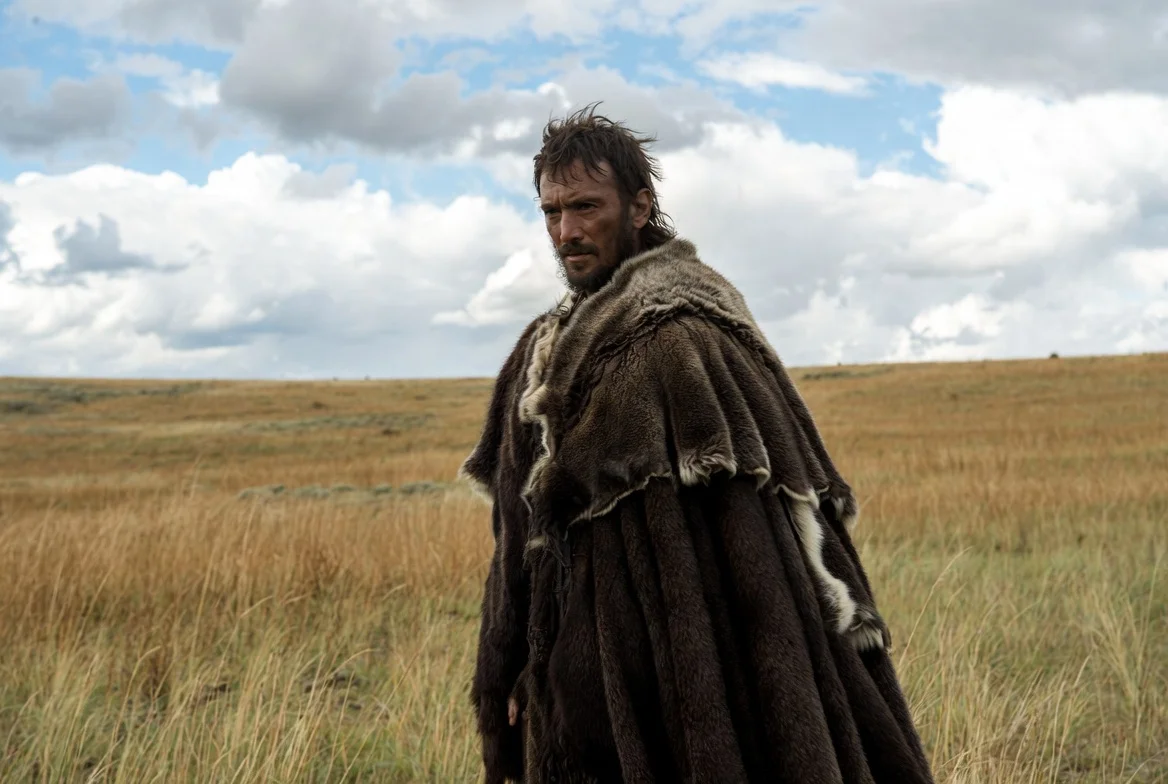
Ainan Skebhos
Contents
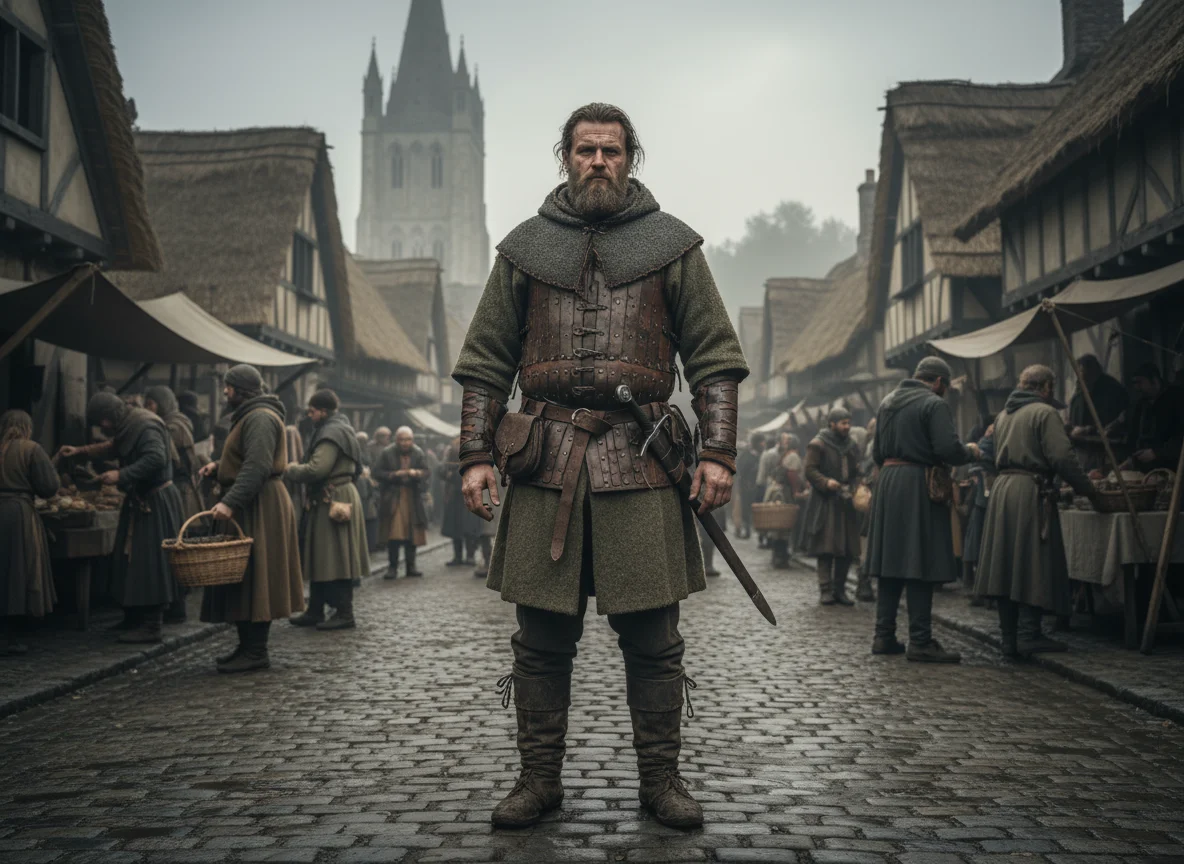 Men
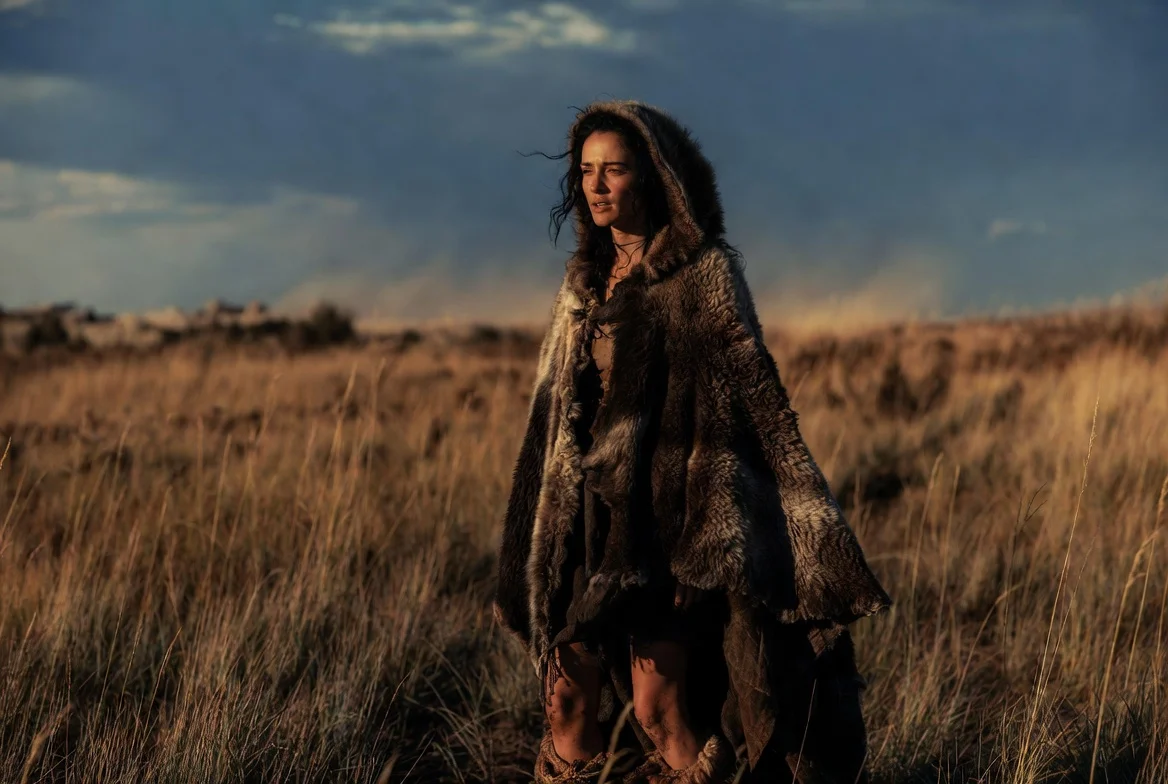 Vifië Skebheis
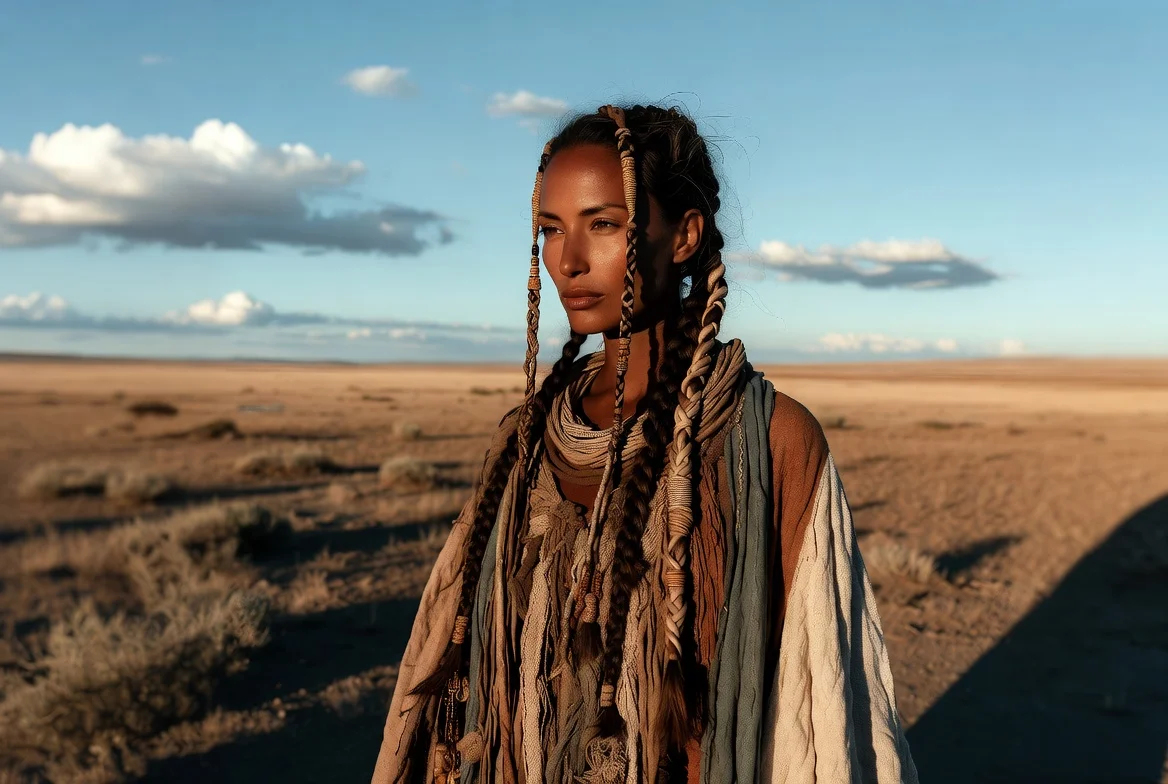 Akilalë
 Alewul I
 Edwán
 Mikán
 Reándu
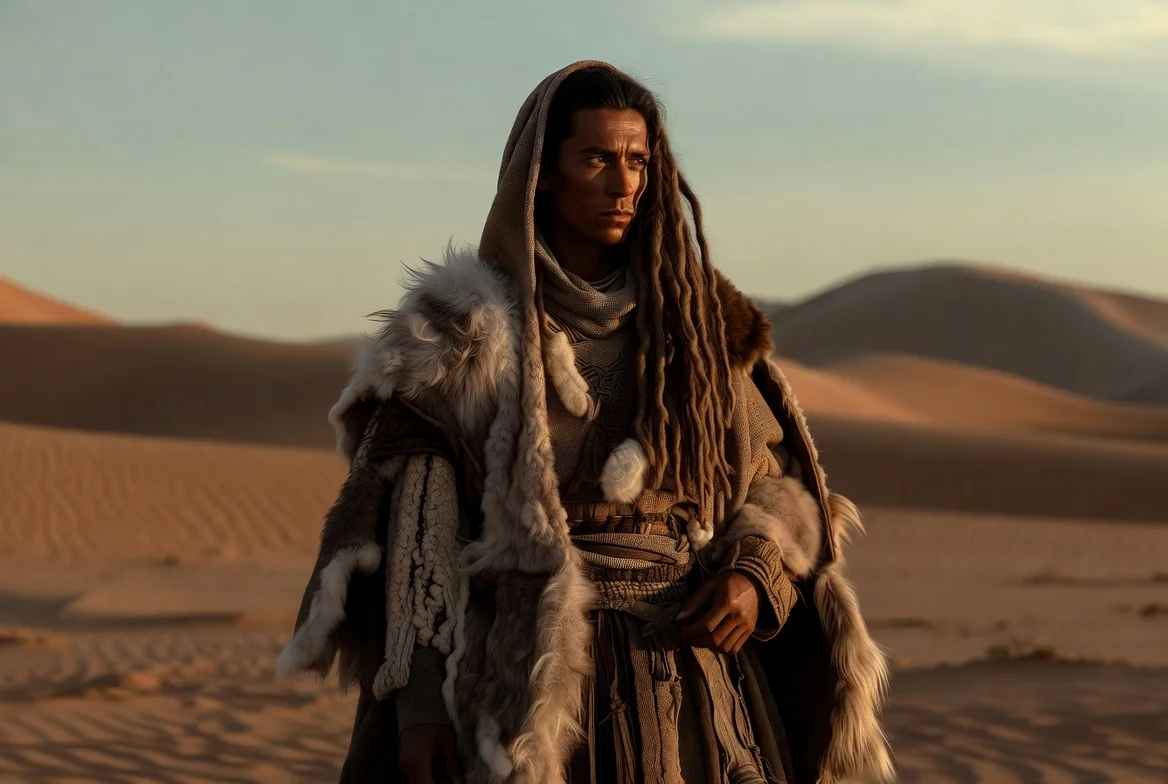 Falabrim
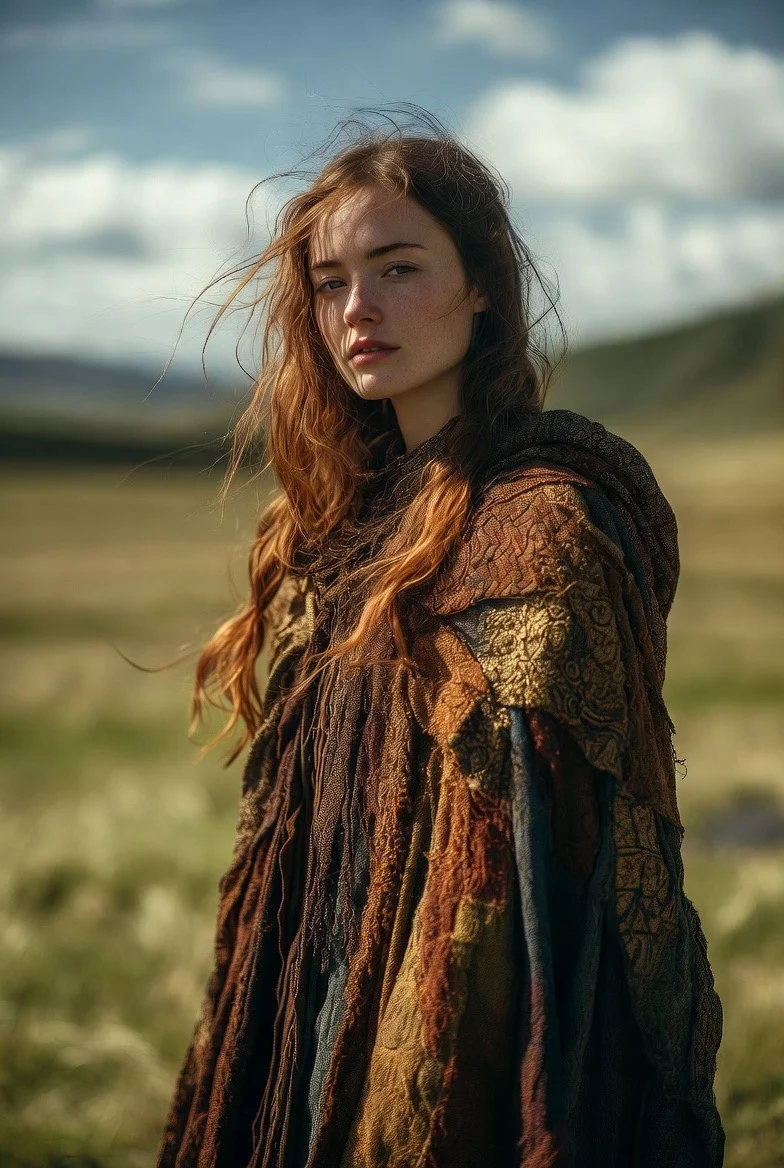 Bænsömel
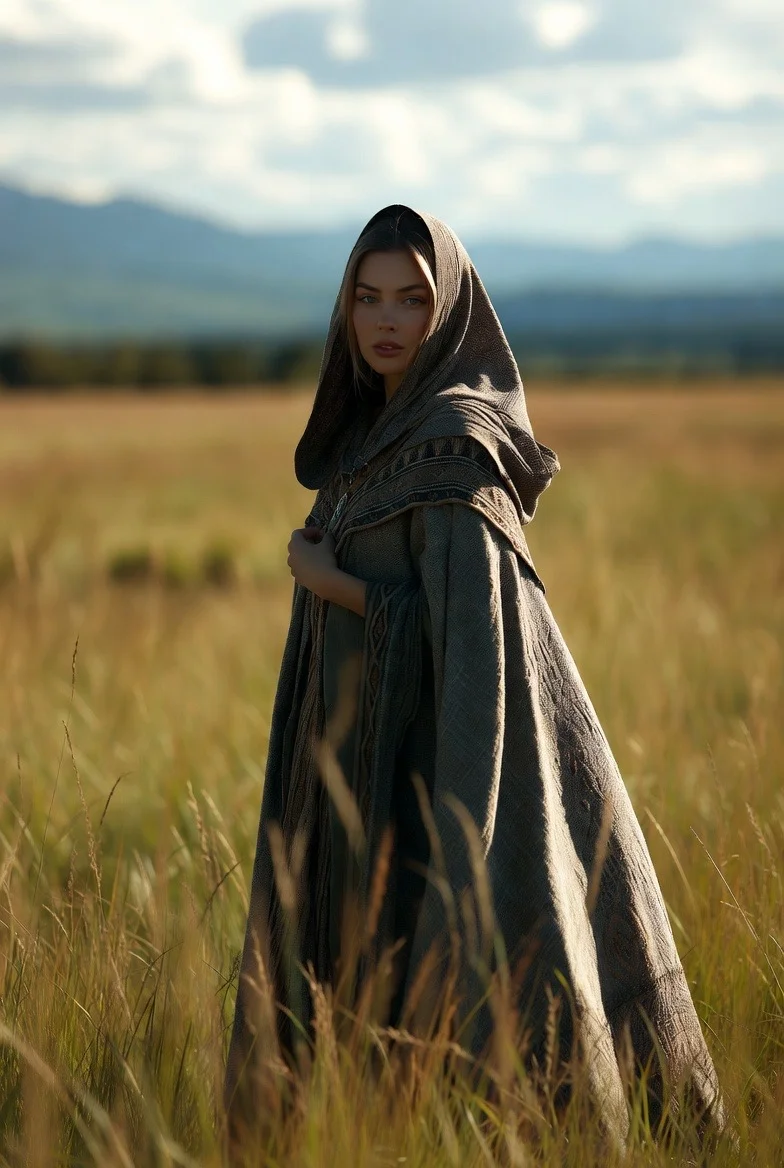 Tajien
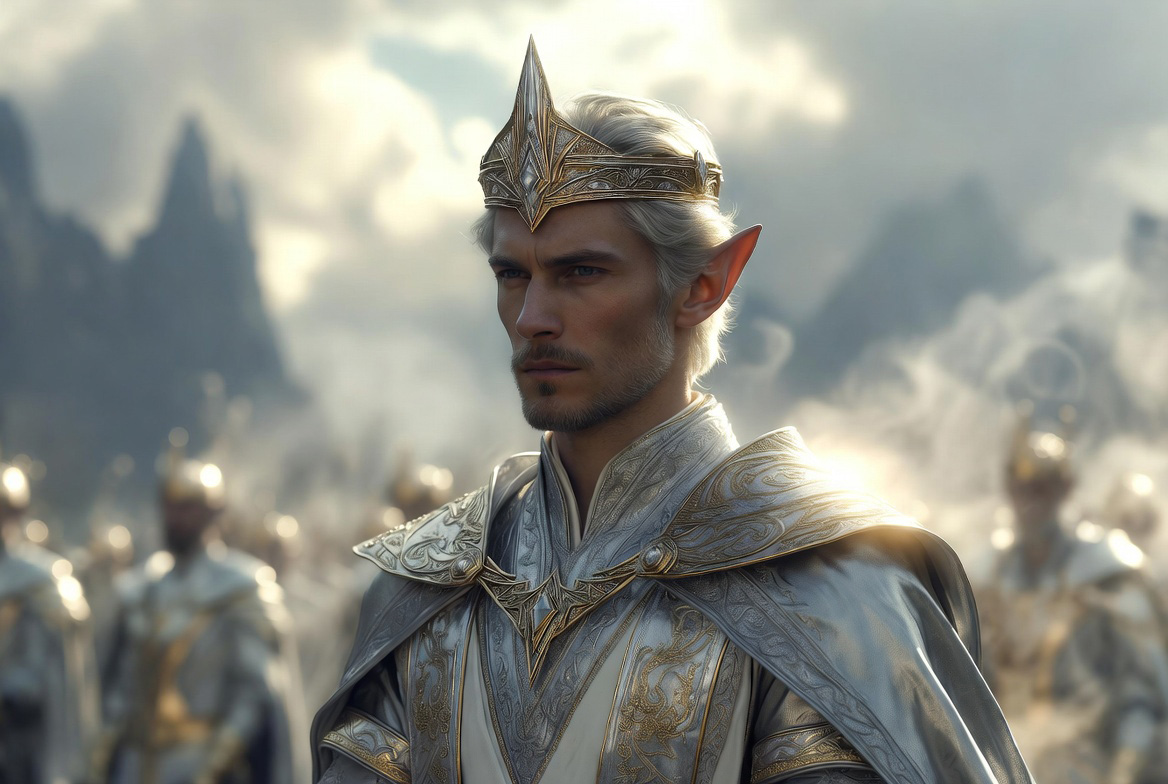 High King Kian Pribhos
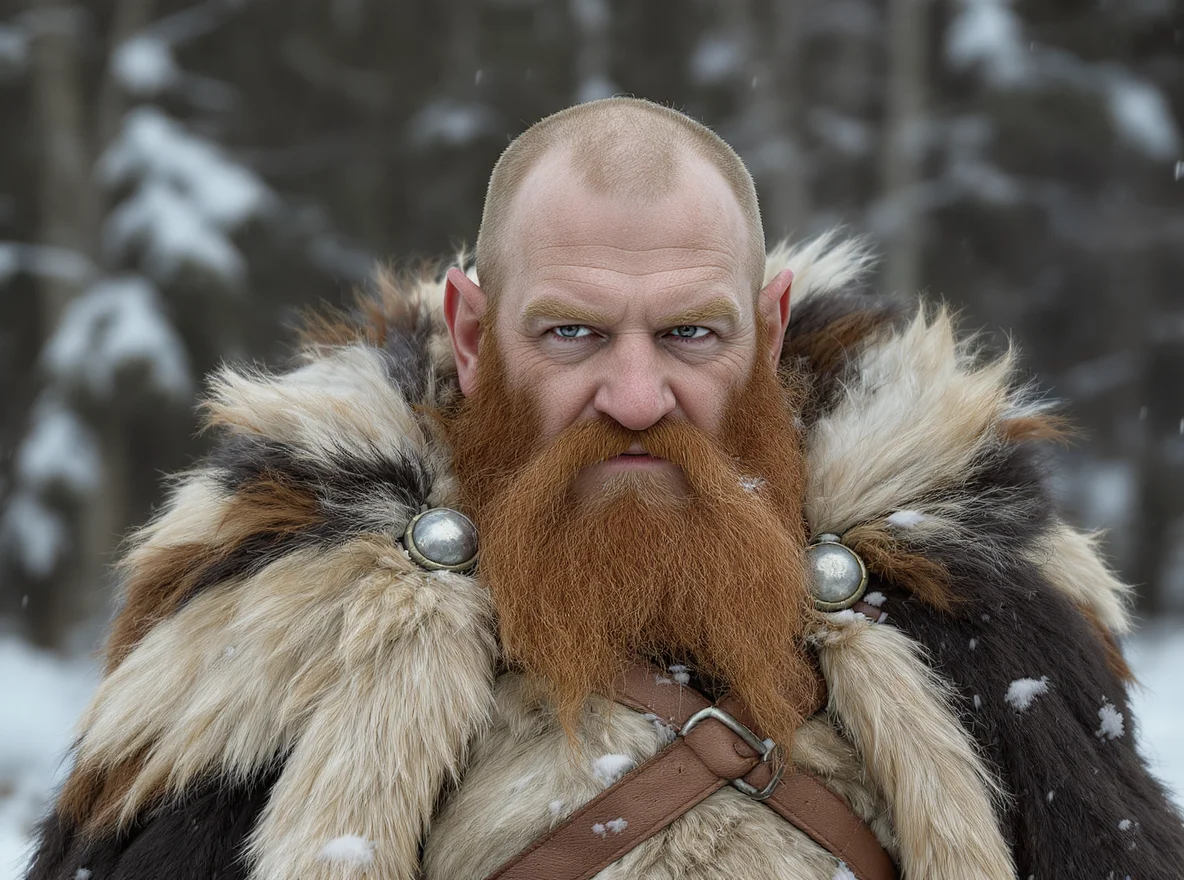 King Et Lean Têrbhos
 Kjeth
Creation
Ainan Skebhos (fl. 3594 D.E. – 7 D.M.) was the second of the three Níntil, the firstborn children of Tairas, created by Thélan, the triune God consisting of Haegro, Leiro, and Vira. He was formed after Kian Pribhos, the father of elves, and before Lean Têrbhos, the father of dwarves. Skebhos was most like Haegro, being fruitful and deeply connected to Tairas itself, with his utmost desire rooted in the earth. The creation of Tairas and its children spanned about 1000 years, during which Thélan observed the Níntil and granted them day and night by setting Tairas in motion around Thifera, the sun realm of the gods.
Early Life on the Mountain
Skebhos and his kin initially lived on The Great Mountain, later known as Manh Hélbed, alongside the elves and dwarves. Thélan provided companions for the Níntil, creating the Neril (sisters) from the spring of Tobhrin on the mountain's peak, along with the Kithil (siblings), six more of each race who followed the firstborn as leaders. Skebhos received Skebheis as his wife. The children of Tairas visited Tobhrin for 100 years to commemorate this blessing. However, tensions arose as the elves, led by Pribhos and later his son Sepiun, claimed the upper third of the mountain and built the city of Elárin, restricting access to Tobhrin for men and dwarves.
Conflict and Exile
As the elves increasingly limited access to the sacred fountain, Skebhos and Têrbhos protested. Skebhos joined Têrbhos in approaching the elven gate to speak with Pribhos, but Têrbhos struck and killed Pribhos with a farming tool, marking the first death among the children of Tairas. In response, Sepiun, appointing himself king, expelled all men and dwarves from the mountain, though Qetë, Pribhos's daughter, advocated against total expulsion from Tairas. Skebhos and his people were forced to the foothills, where they faced hardships, including the first deaths from old age and disease among the weaker Kithil. A herald of Vira, Herla, reassured them that the river Gharan, flowing from the tree Fendril, remained unpoisonable and life-giving. In 398 DK, Skebhos and Têrbhos named their exiled peoples Al-Ighanâ.
Family
Ainan Skebhos had five sons and two daughters with his wives Skebheis and later Akilalë, the daughter of Ezen the kith, after Skebheis died giving birth to their third son. His children were:
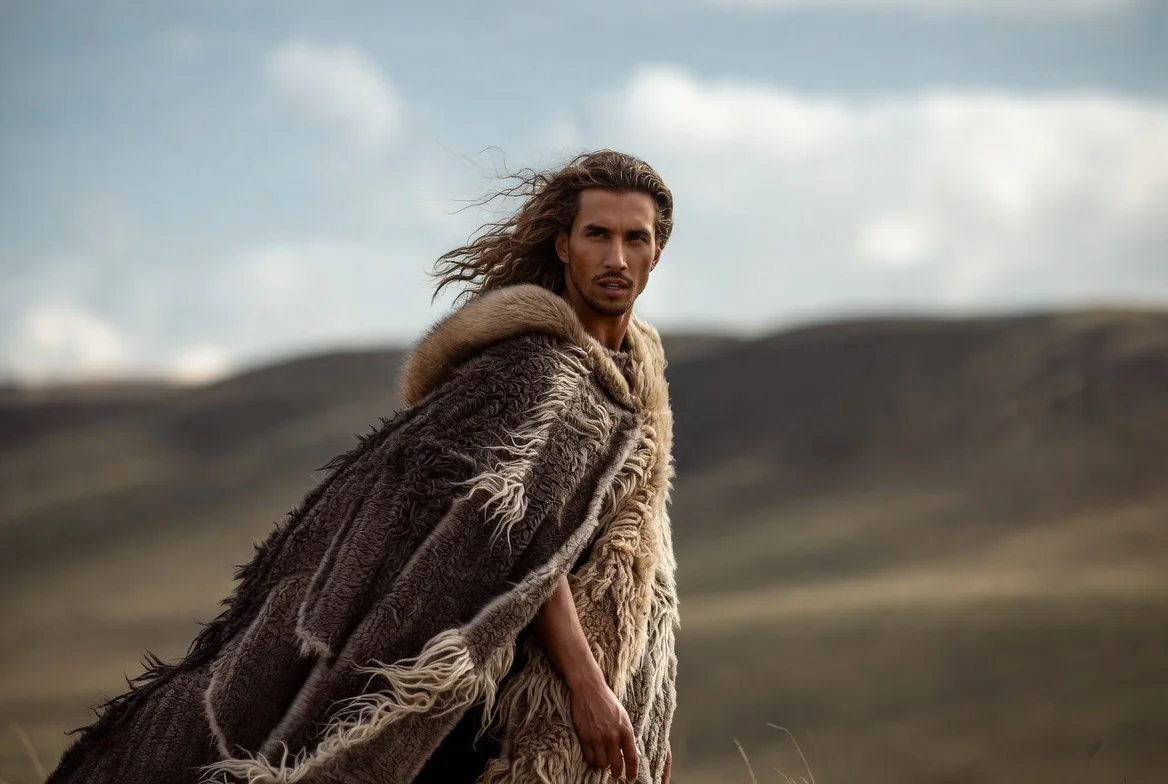
Alewul: The eldest, strongest, and fairest, who married Bænkorel and fathered Halim.
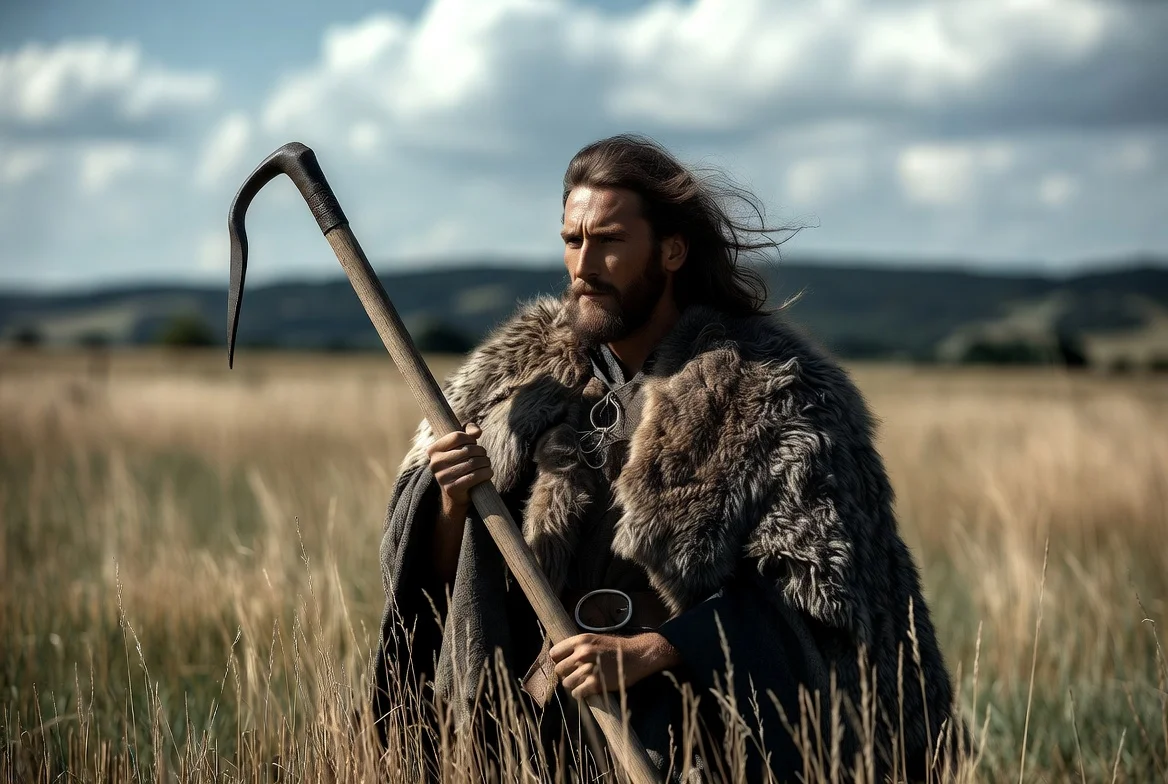
Edwán: The second son, called Friend of the Soil for his love of plants; he fathered Ludekor, who taught men to work with rock.
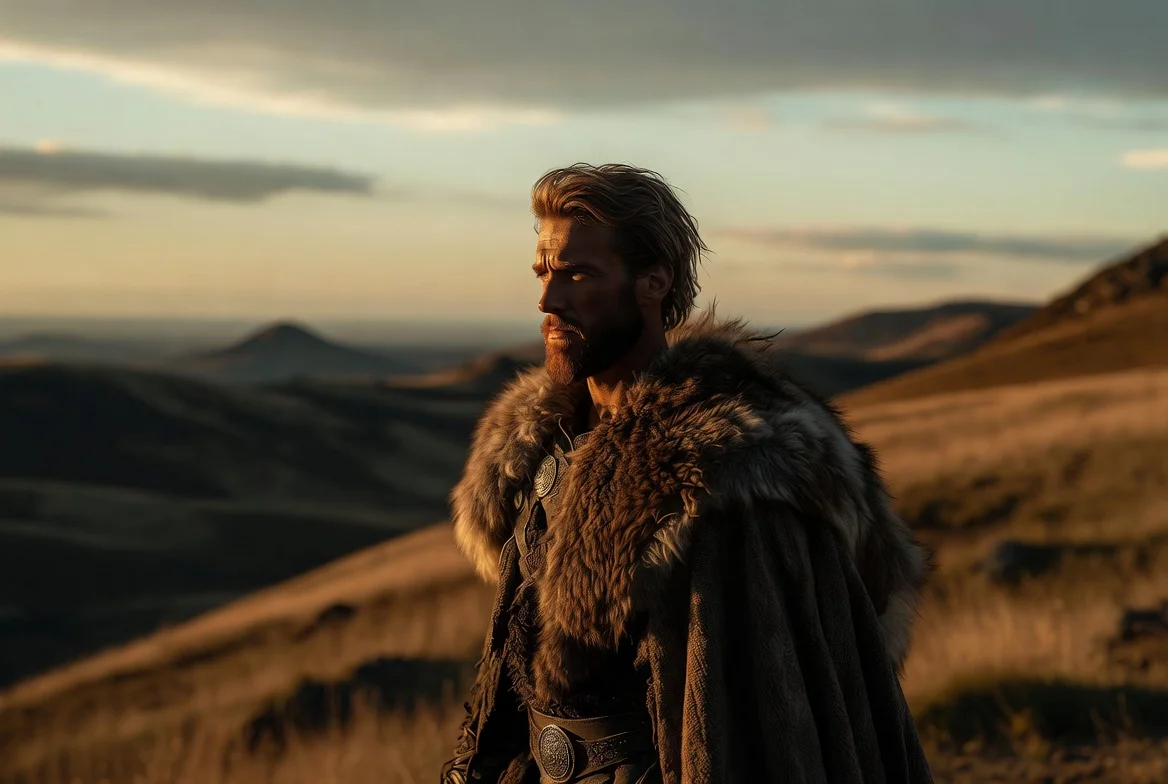
Mikán: The third son, friend and uncle to Halim and Ludekor in youth; he married the elfmaiden Vatanki and fathered the first half-elf Mêramil, guardian of the southern seas.
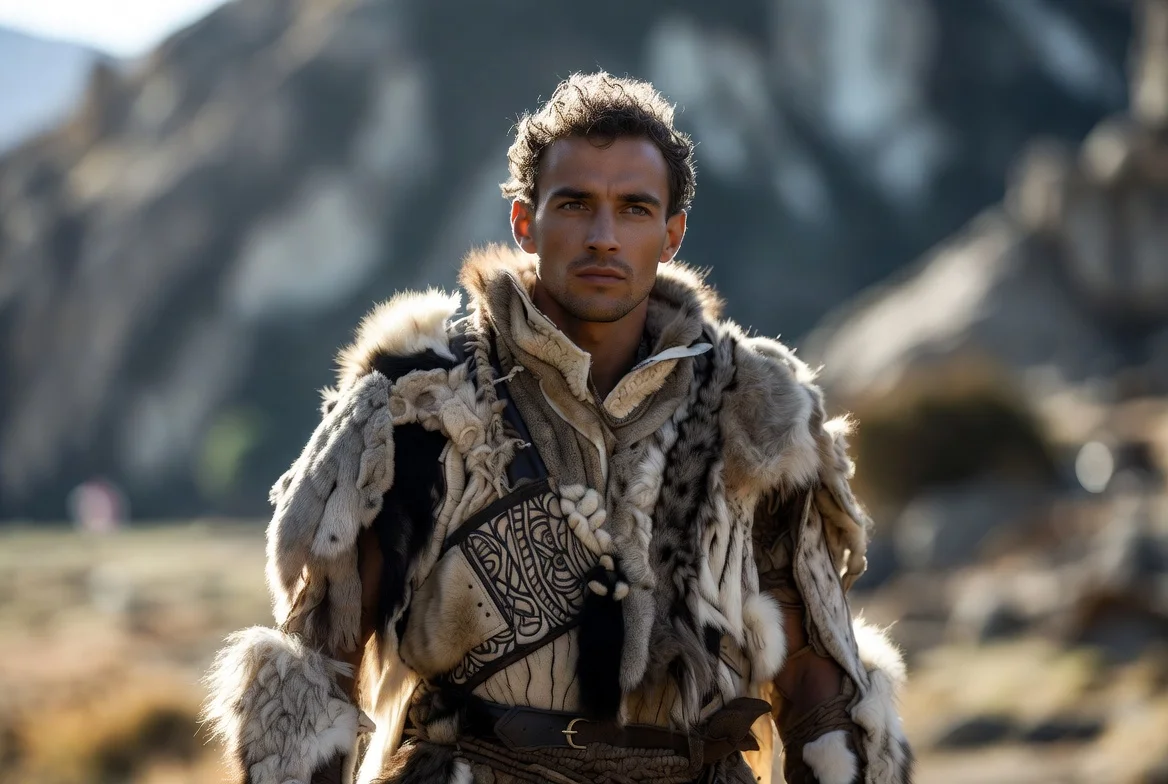
Reándu: The fourth son, who fathered Ezpolmuf; Reándu was left alone in the wilderness by his family during their journey east.
Falabrim: The youngest son, who danced in his mother's womb; he fathered Falakhan, the prince.
Bænsömel: Called Solleiren, as she did not marry following Edwán to the western lands.
Tajien: the mother of the line of Olngirr and Hramad I, direct ancestor of Heránn.
Settlement and Legacy
After the exile, Skebhos's sons dispersed along the branches of the Eilran river to form the first five tribes of men. Falabrim settled in the south at Falabriä with about twenty followers. Edwán went west to Ertollo, taking Bænsömel at Skebhos's request. Mikán traveled north to the lesser mountain Mahn Ijuta. Reándu headed east along the Seqran but was abandoned by his family. Alewul, as the heir, remained with Skebhos in the foothills, claiming Grondelen in 27 DT and founding the tribe of the Grondanâ. Skebhos, as the father of men, established the foundational lines of humanity on Tairas, embodying fruitfulness and unity with the earth despite the trials of exile.
Ainan is a direct descendant of Heránn, which can be traced in the Geneology of Heránn.