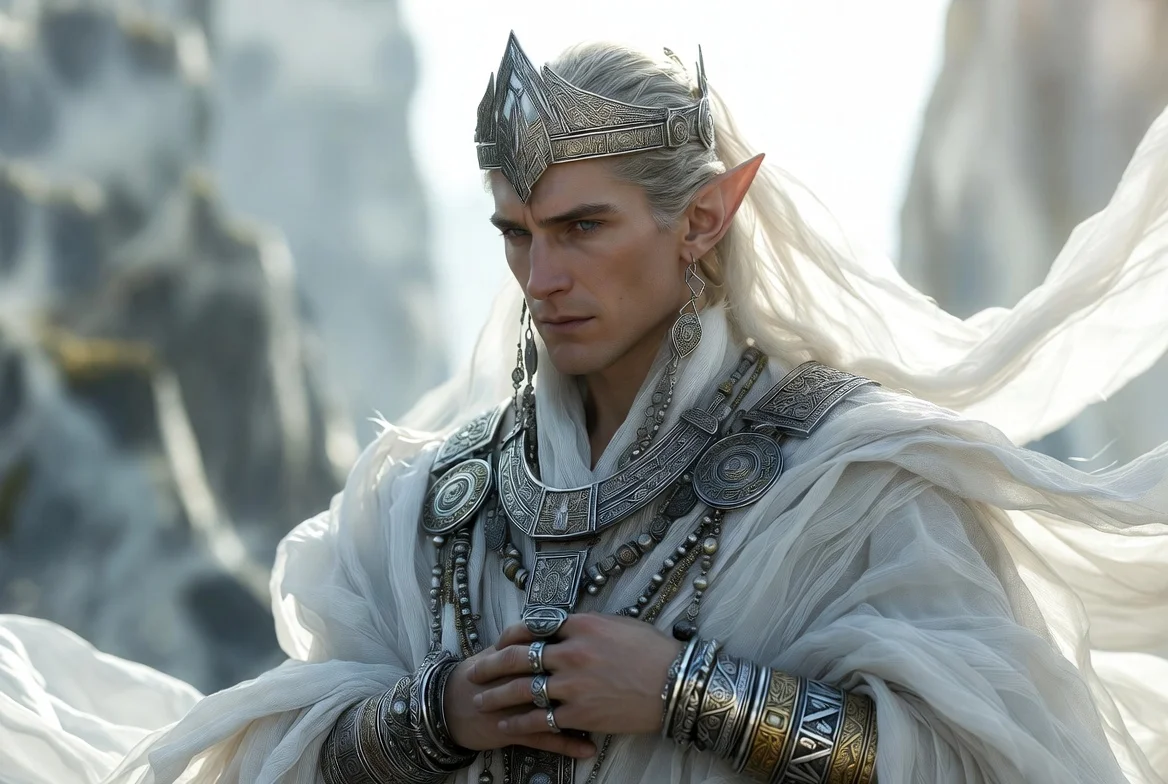
High King Sepiun
Contents
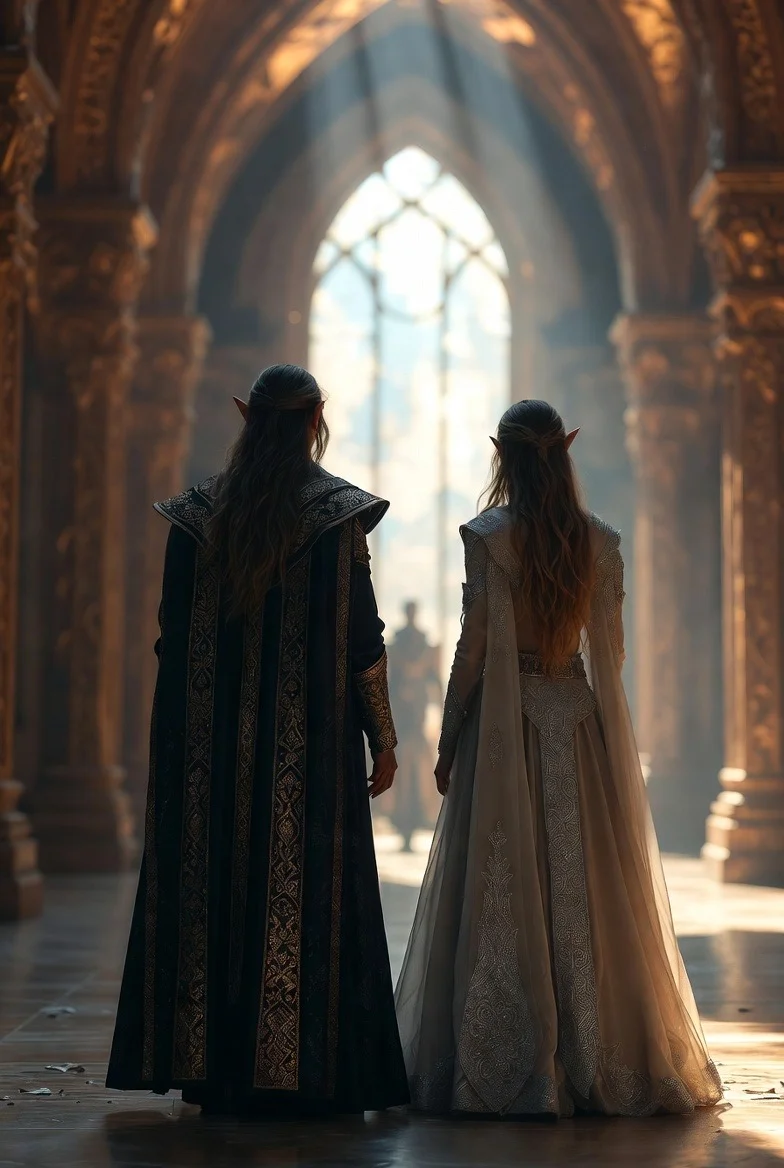 Elves
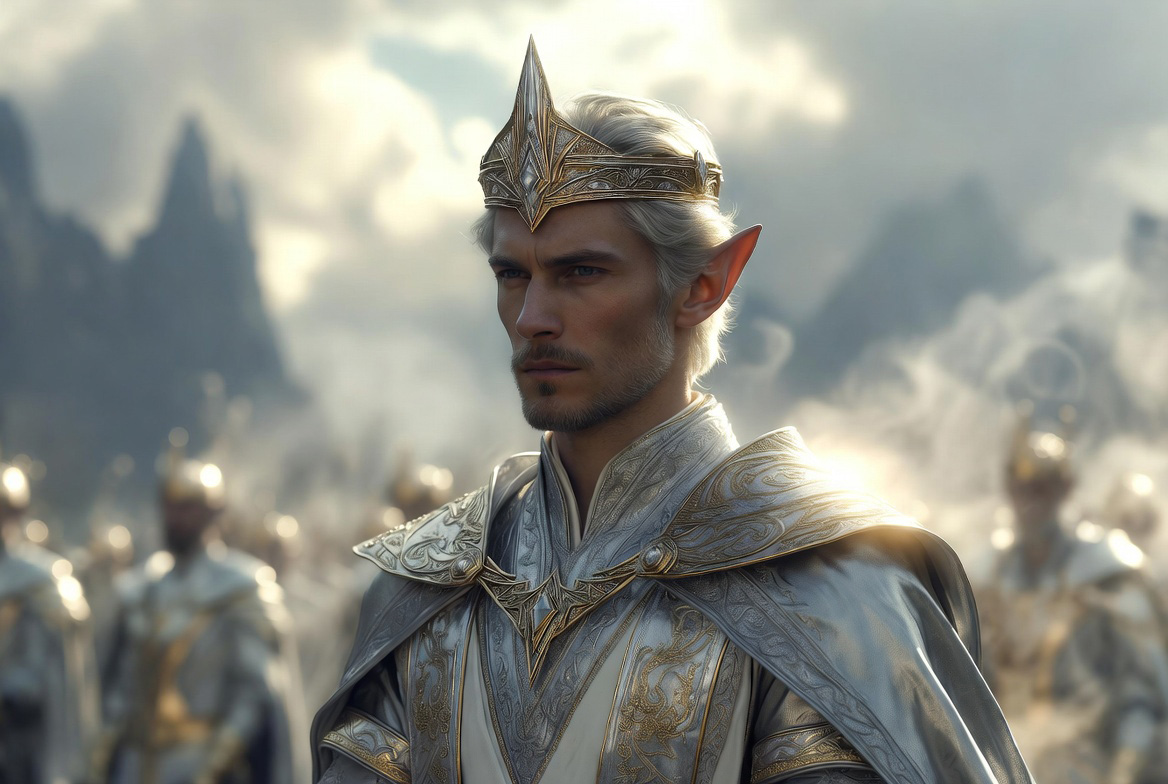 High King Kian Pribhos
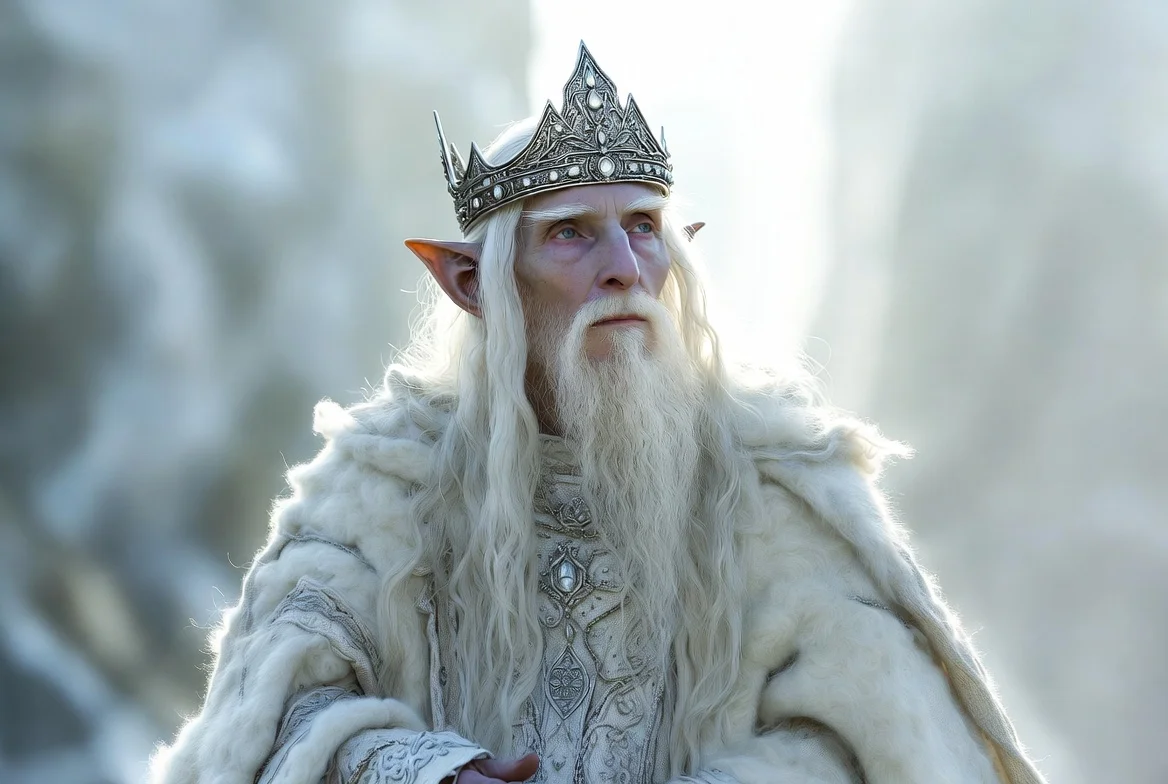 High King Erral
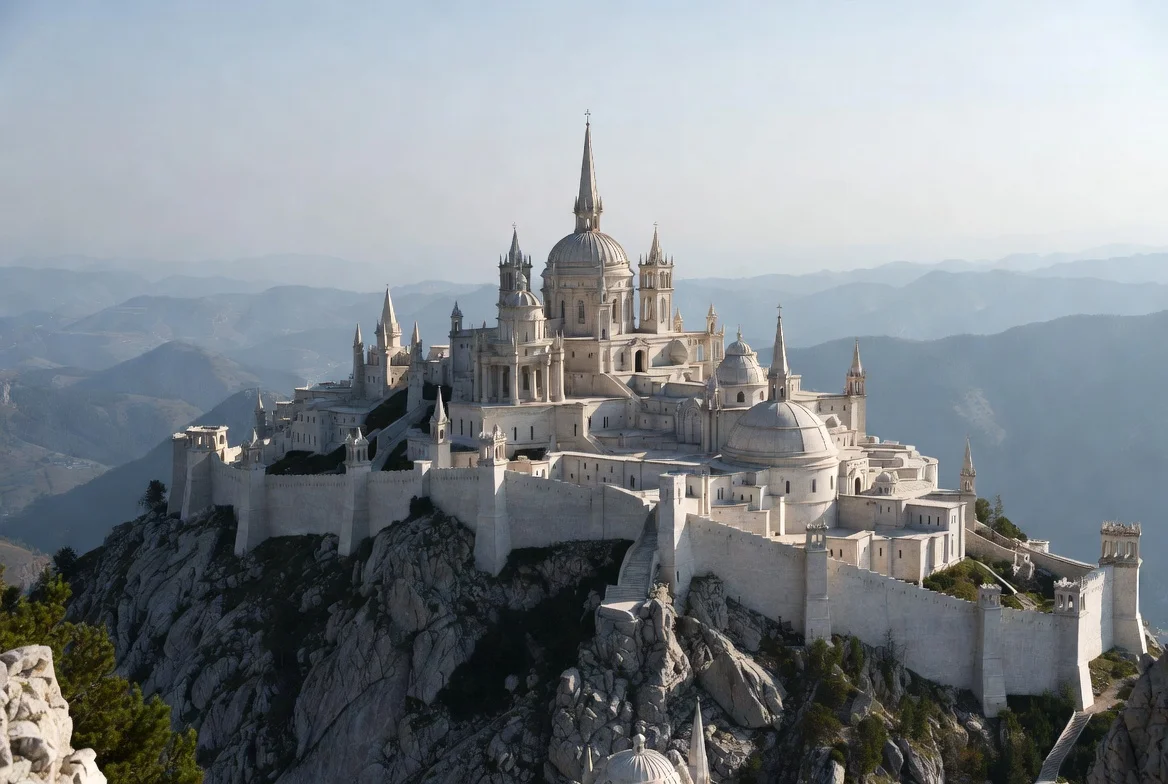 Elárin
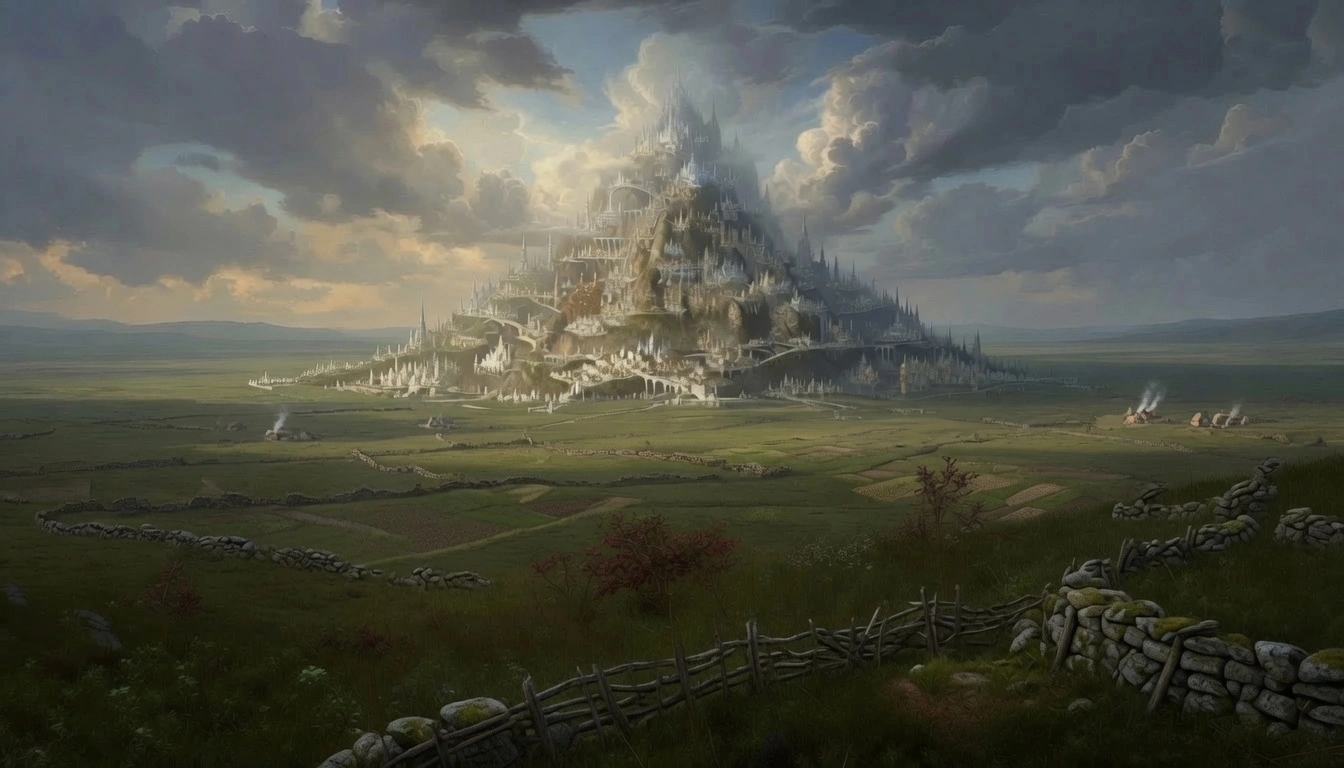 Fjalgârn
 Princess Qetë
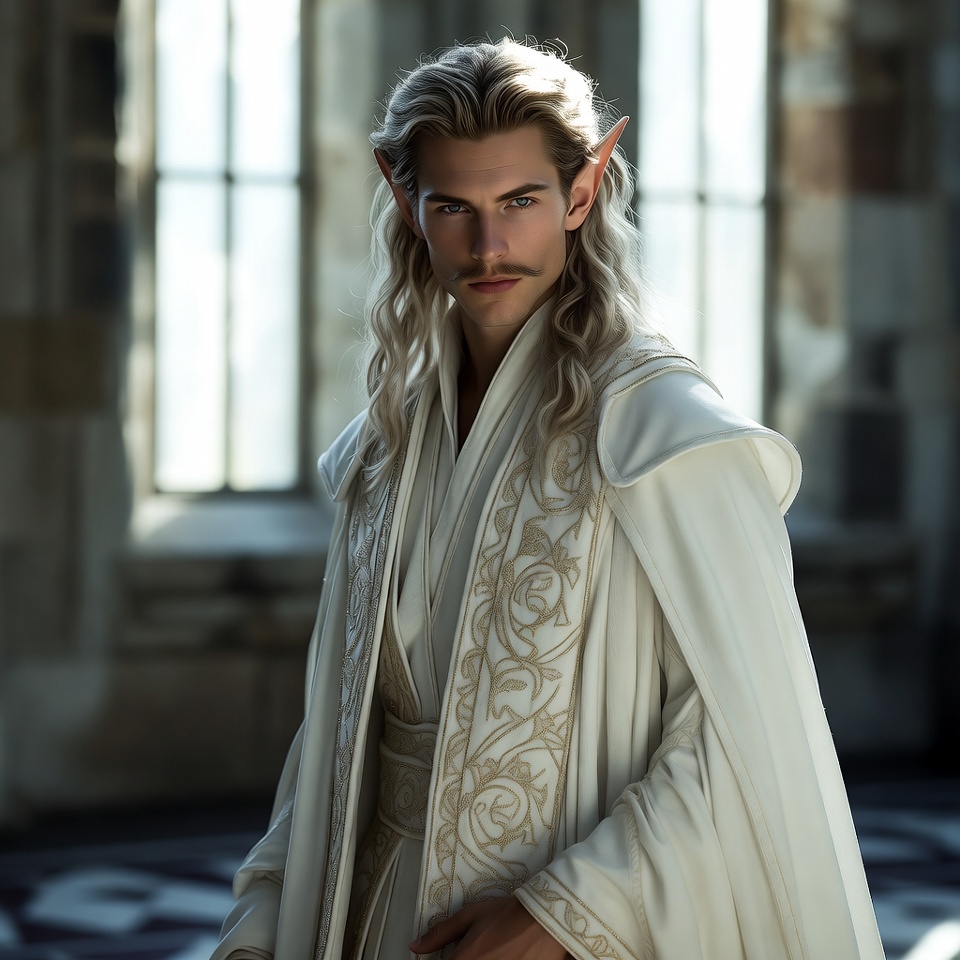 Prince Hélun
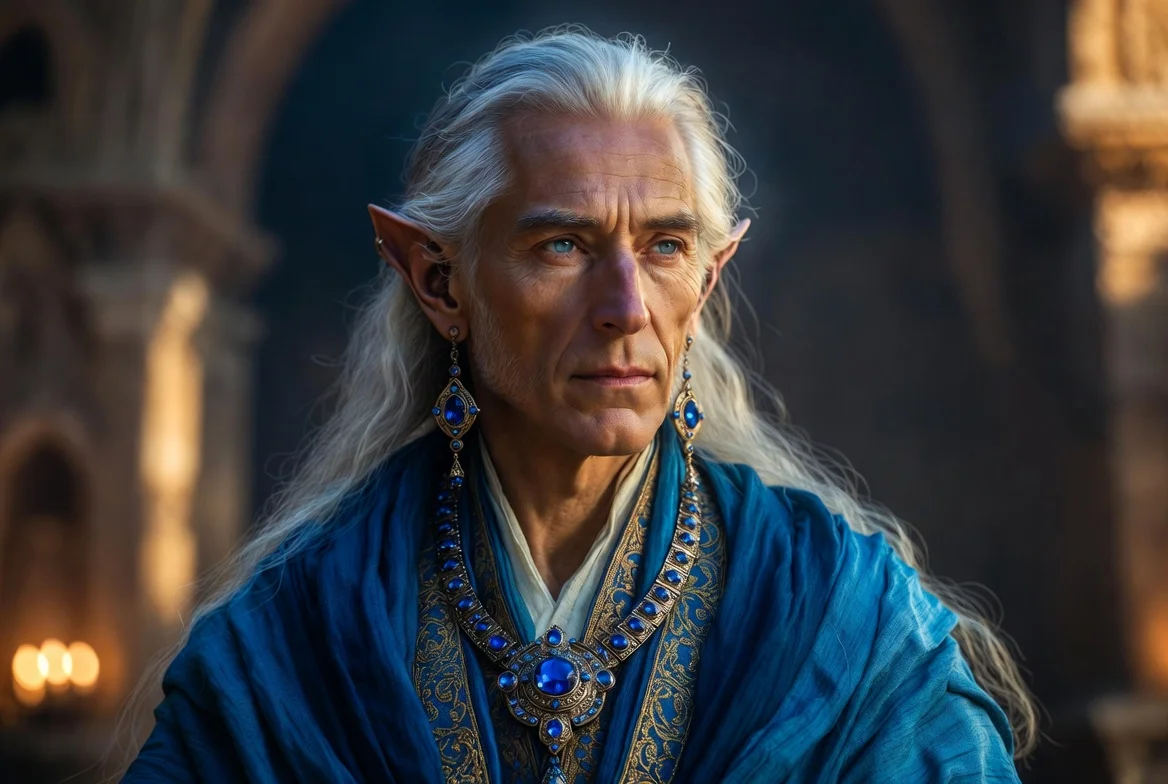 Halaghar
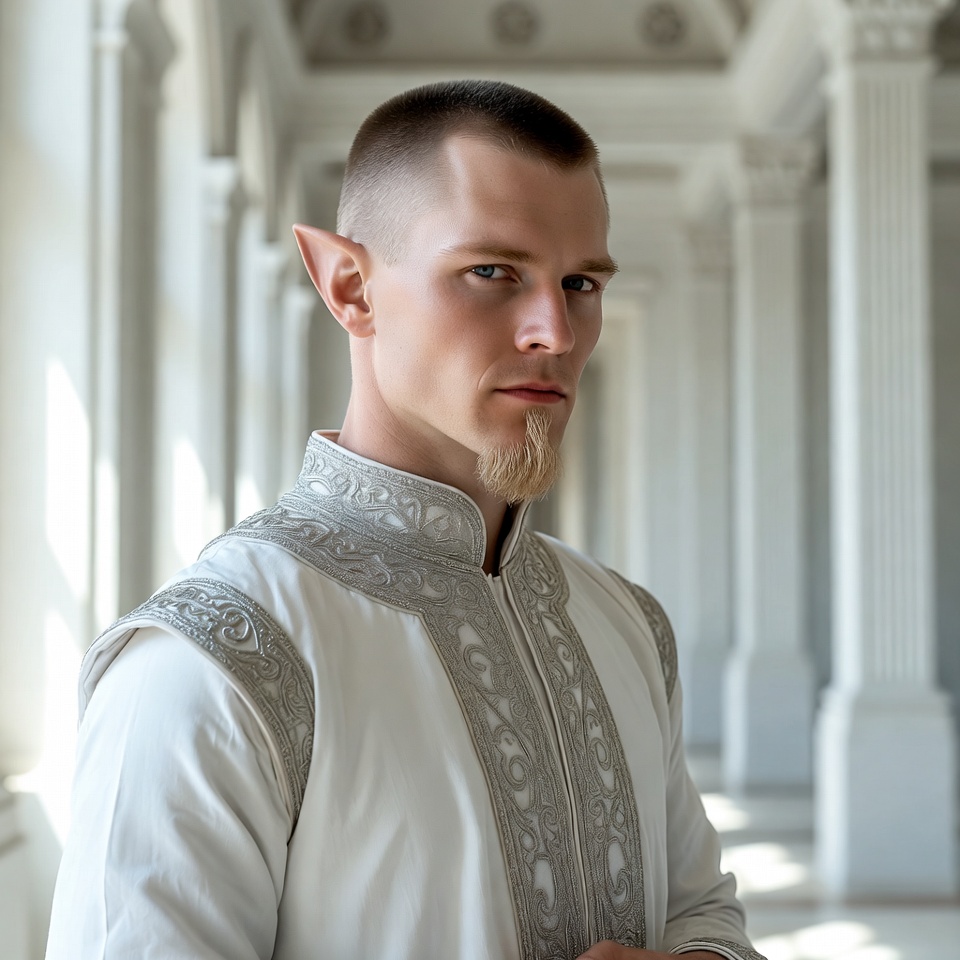 Prince Ilaghun
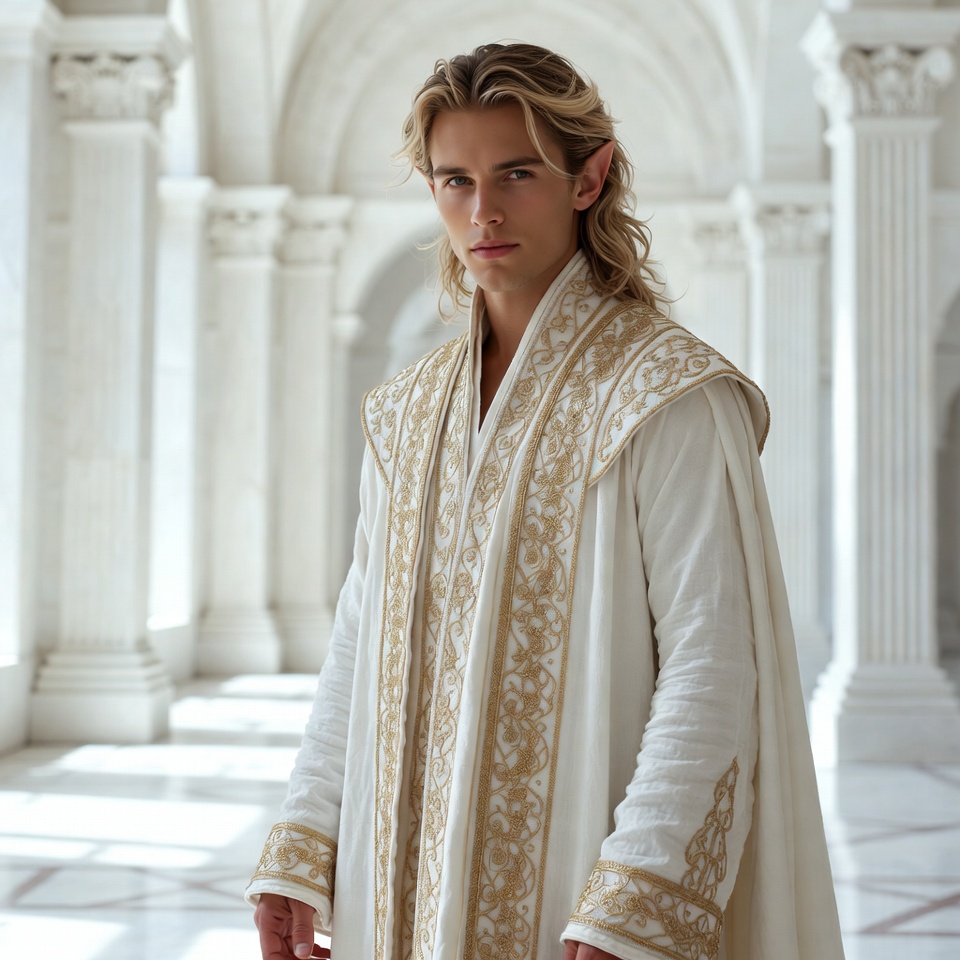 Prince Hélrid
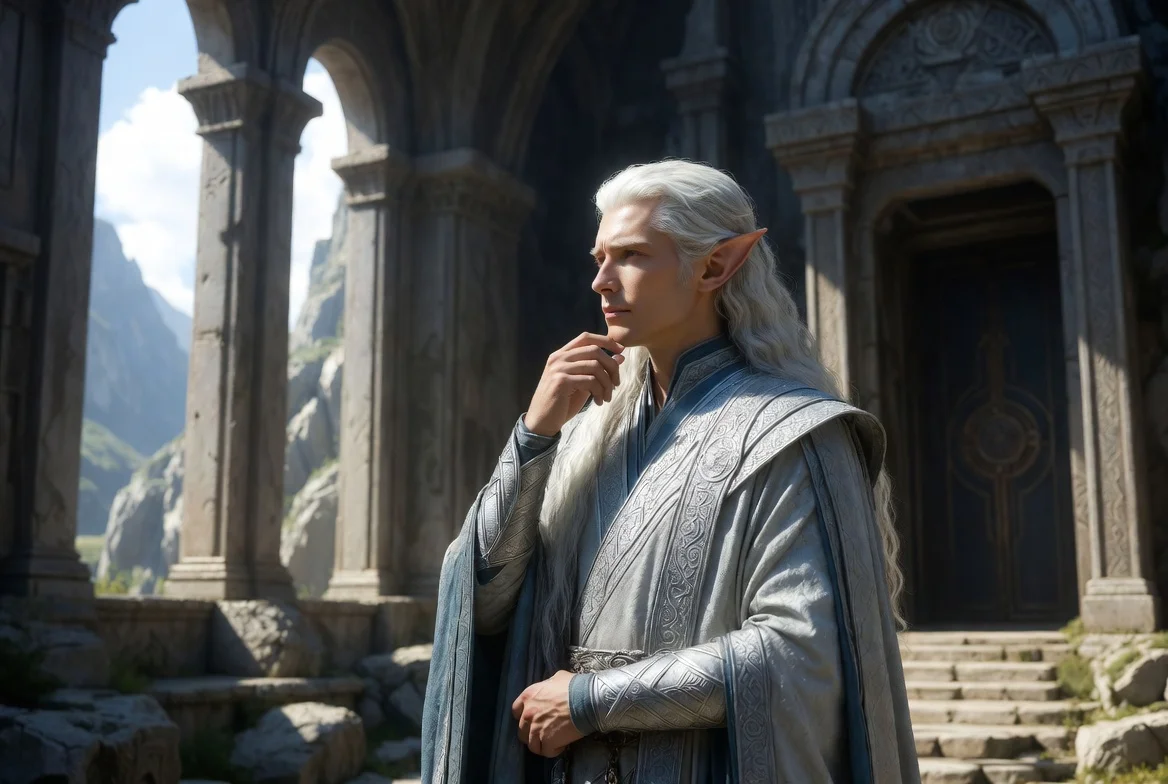 Prince Éaltun
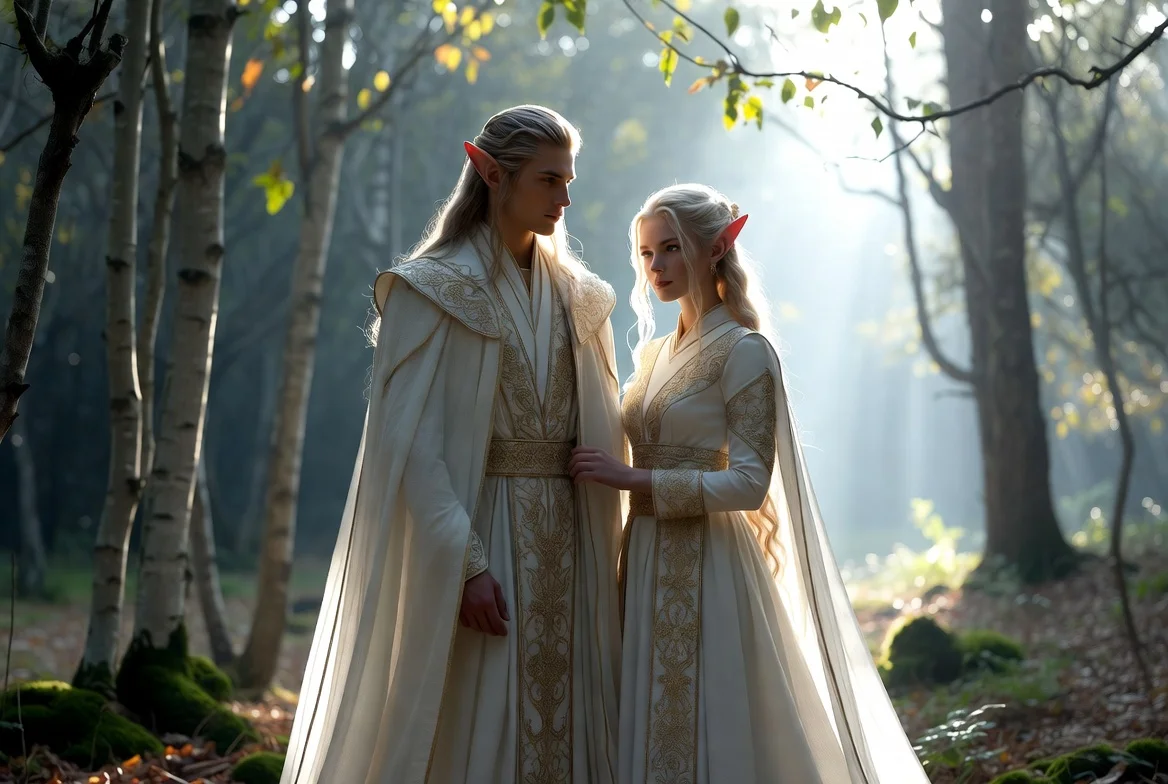 Khelhanâ
Overview
High King Sepiun “The Merciless” was the elven sovereign of Fjalgârn at the mountain-top city of Elárin during the Second and Third Ages of Tairas. The son of High King Kian Pribhos, Sepiun’s long reign was characterized by immense territorial expansion, a fanatical devotion to elven supremacy, and a descent into greed fueled by the influence of the runestone, Oqíthe. While he was a formidable military commander who secured Manh Hélbed, his legacy remains deeply controversial due to his role in the War of Grondelen and his initial complicity with the fallen angel Rhalûin.
Early Life and Accession
Sepiun was the eldest son of High King Kian Pribhos, the first elf, created by Vira. His worldview was fundamentally shaped by the Murder of Pribhos in 397 D.K., when his father was slain by the future dwarf-king Lean Têrbhos. Sepiun viewed this act not merely as a personal tragedy but as a "curse" upon all non-elven races, instilling in him a lifelong bigotry against humans and dwarves.
Military Campaigns
The Nakhanâ War (790–794 D.K.)
During the late Second Age, Sepiun faced a major threat when the Nakhanâ tribes attempted to seize the sacred peak of Manh Hélbed. Sepiun successfully repelled the invaders through a brutal campaign, culminating in the Battle of the Frozen Stair. This victory solidified his dominion over the mountain for over a millennium.
The War of Grondelen (113–131 D.T.)
In the Third Age, Sepiun launched a campaign of ethnic cleansing in the region of Ainlen. Driven by ancient grudges and a desire for the fertile farmlands of Halmréa, he issued decrees demanding the immediate departure of all non-elves from the lands surrounding the Great Mountain.
The Influence of Oqíthe: Sepiun’s aggression was amplified by the runestone Oqíthe. Despite warnings from the Alhanâ priests that he lacked the spiritual power to wield it safely, his lust for power led him to use the stone, which exacerbated his natural greed and anger.
Conflict: He personally led the assault at the Battle of Halmréa, where he killed Alewul in hand-to-hand combat. However, he was forced to withdraw after being wounded in the thigh by a dwarven bowman named Kûv. The war eventually ended in a stalemate, leading Sepiun to commission the Great Wall of Durrwyn to further isolate his kingdom.
Relationship with Broro
For centuries, Sepiun was subtly manipulated by the angel Broro. Intrigued by the possibility of speaking with his deceased father, Sepiun endorsed the construction of the Bridge of Ankilen in 379 D.T., dismissing the warnings of "lesser kindreds" like Olngirr and Lińn as mere rabble-rousing. His arrogance and trust in Broro allowed the shadow of Ankilen to spread unchecked across Tairas for centuries.
Death and Succession
Sepiun’s life came to a violent end in 1071 D.T. while traveling to Irgârn to inspect the very bridge he had protected. His royal caravan was ambushed in a fog-shrouded pass by assassins from Maigh Nol, a kingdom that had fallen under Rhalûin's influence. Sepiun was killed by poisoned blades during the skirmish.
Following his death:
His guard Eláiar managed to recover the sacred stone Oqíthe and return it to the capital.
Sepiun was succeeded by his son, High King Erral, who finally declared a holy War Against Rhalûin to avenge his father and purge the shadow from the world.
Personal Life and Family
Sepiun was a member of the legendary Níntil lineage. He was the brother of Princess Qetë, Prince Hélun, Prince Hélrid, Prince Ilaghun, and Tharne Halaghar. He left behind a noble family, including his heir Erral and his second son Tharne Eílas. Though a king of great majesty, history remembers him as a ruler whose personal biases and hunger for dominion nearly brought Tairas to total ruin.