Gânnadin
Contents
 Elves
 Fjalgârn
 Manh Hélbed
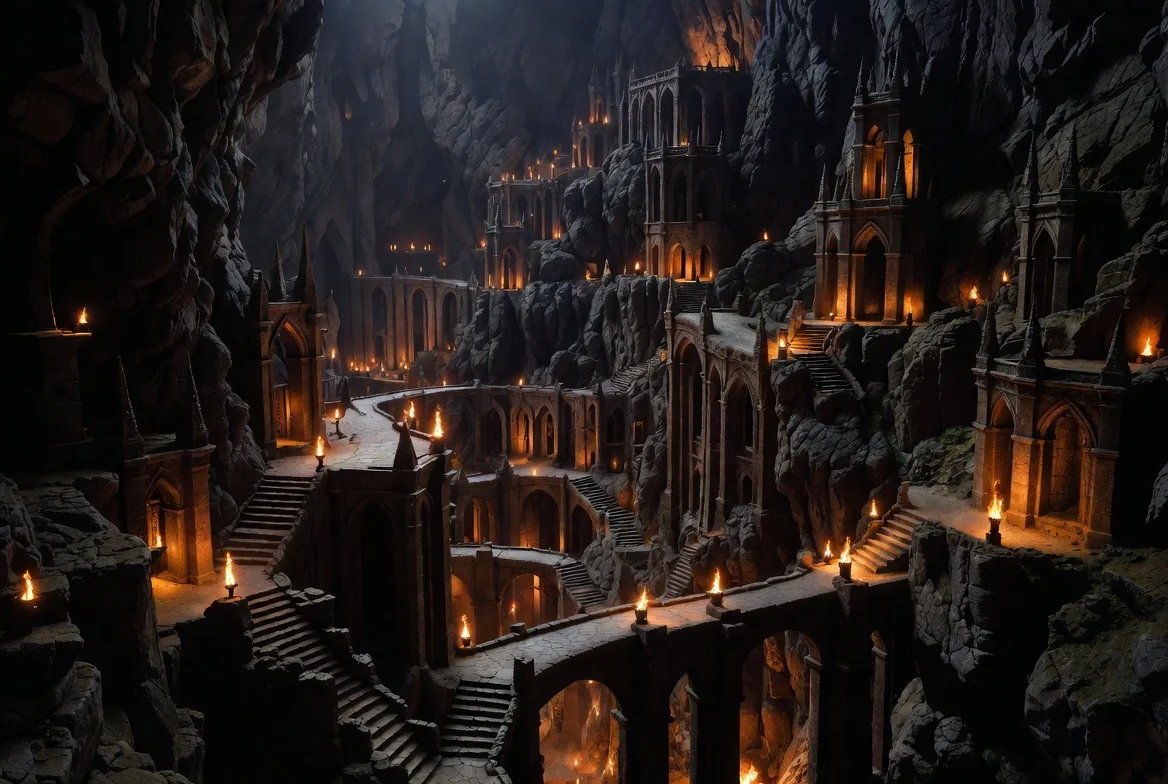 Adinferdh
About
Gânnadin is the dark and dreaded shadow of the FjalgârnianFjalgârnianFjalgârnian midwinter festival AdradabhAdradabhAdradabh, the one who walks unseen behind SénSénSén RorrimRorrimRorrim and punishes the unworthy with silence and empty hands.
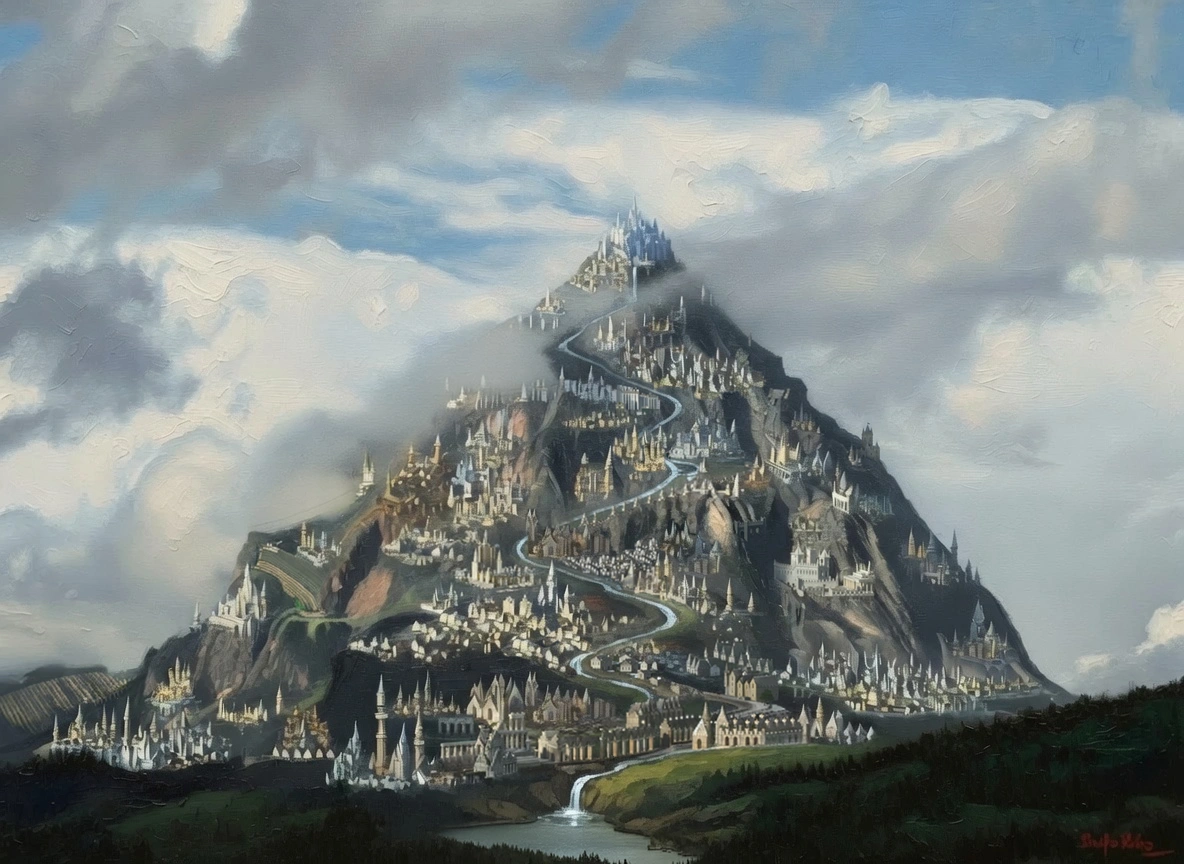
Born among the AdinferdhianAdinferdhianAdinferdhian kindred (those lower-class elveselveselves who dwell within the mountain), Gânnadin was once a gifted lamp-maker of rare skill. His hands could shape crystal so thin it sang in the wind and hold a flame for forty nights without oil. Yet the high feasts of AdradabhAdradabhAdradabh were held only upon the sunthe sunthe sun-warmed upper city of Manh HélbedManh HélbedManh Hélbed, and year after year the lower kindreds were told their place was to watch the distant glow, never to climb the terraces and share the tables of honeybread and star-wine. Resentment festered in Gânnadin like frostbite in the bone.
On the ninth observance of the renewed festival, when the seventh great TúrradrilTúrradrilTúrradril had just been kindled outside the walls of ElárinElárinElárin, Gânnadin’s bitterness broke. Armed with a black pickaxe, he scaled the forbidden stairs, slew the two guards who barred the lowest gate, and one by one smothered the sacred lamps with the still-warm blood of the slain. When the city plunged into sudden night, he stood laughing amid the darkness he had made, crying that if the light was not for all, it would be for none.
Only the chance passage of the shepherd RorrímRorrímRorrím ended the desecration. Bound and dragged before the assembled lords, Gânnadin neither repented nor begged mercy. He cursed the city that had scorned his people and swore the lamps would know his hand again. Though many demanded his death, the elders (moved by mercy or fear of what his blood might do a second time) exiled him instead into the trackless ice beyond the glacier’s edge. There, it is said, the cold took him slowly, staining his skin with soot and frost until he became something less than elfelfelf and more than ghost.
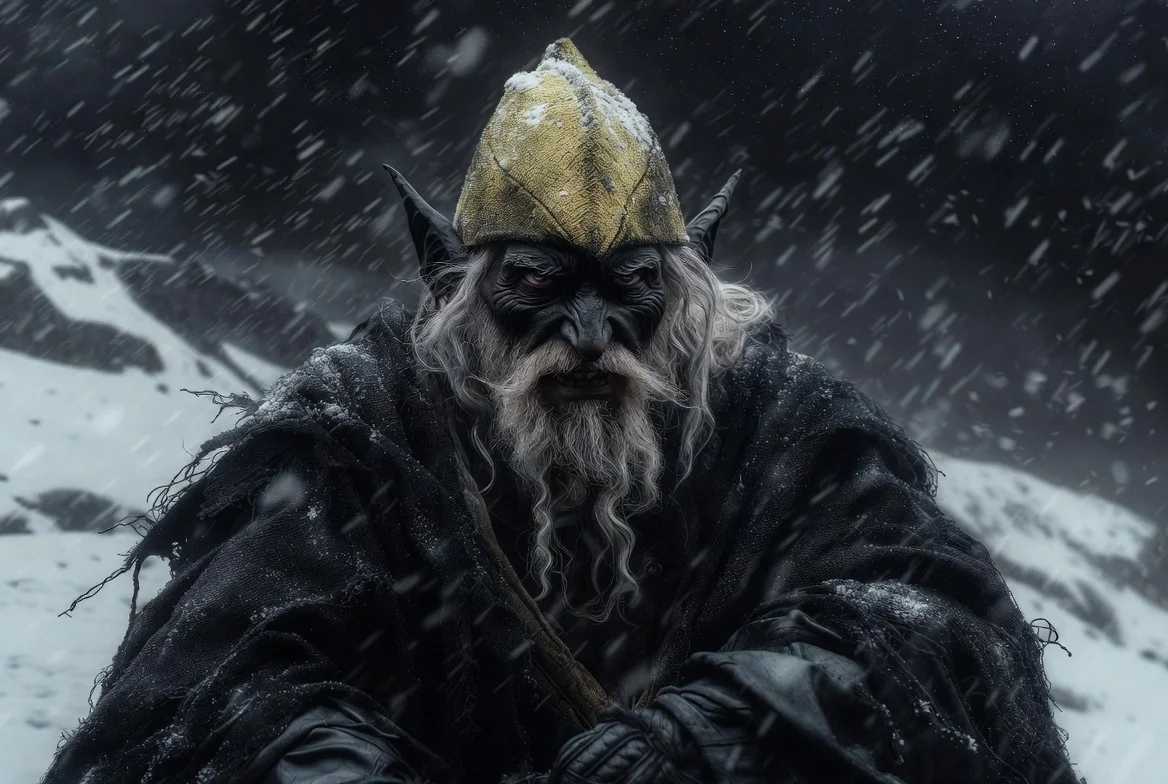
Now, on the six nights before solstice, the AdinferdhianAdinferdhianAdinferdhian elfelfelf who murdered light returns: a gaunt, towering figure cloaked in a tattered coat of yellow oilskin and wearing a tall conical hat crusted with old blood, if only in children's tales. His fingers are black from centuries of snuffing wicks, and his breath smells of iron and smoke. Where SénSénSén RorrímRorrímRorrím walks with quiet kindness, Gânnadin stalks in bitter silence, peering through windows at the seven small household lamps. If a child has lied, stolen, or shown cruelty, he slips like a draught beneath the door and pinches out that child’s flame with fingers that leave no mark—only darkness. When morning comes and SénSénSén RorrímRorrímRorrím passes by, he sees the blackened wick, sighs once with sorrow, and moves on; for even the Holy Shepherd will not cross a threshold the house itself has declared unworthy.
Thus the elveselveselves of the lower terraces remember Gânnadin not only as the one who tried to murder the returning sun, but as the living reminder that light is a gift asked for, never taken; and that pride and envy, left unchecked, can quench even the brightest flame.